
Quick answer: Yes, a babymoon built around a deep soaking tub can be safe and soothing, as long as the water stays warm instead of hot, soaks stay short, and you run any health questions past your own doctor or midwife before you travel. Pick a quiet room, stay close to home, and leave the schedule almost empty. A babymoon is for rest. Sightseeing can wait.
A babymoon isn’t really a holiday in the usual sense. It’s a pause. One last trip where the days belong to two people, the mornings have no alarm attached, and the biggest decision before lunch is breakfast in bed or the little café down the street. Hotels with deep soaking tubs fit that mood well, because the whole point of the stay is comfort at low speed.
This guide covers how to pick a room that suits a pregnant traveler, how to enjoy a long soak with a few precautions, and how to pace the trip so you come home rested rather than just traveled. One thing up front, because it matters: every pregnancy is different. Treat what follows as planning help, and check anything health related with your own doctor or midwife before you go.
In this guide
- What makes a stay babymoon-friendly?
- Soaking safely: warm, not hot
- Soaking tub or jetted tub during pregnancy?
- When should you take a babymoon?
- A slow babymoon itinerary
- What to pack for a babymoon stay
- Questions to ask the hotel before you book
- A note for partners: your job on this trip
What Makes a Stay Babymoon-Friendly?
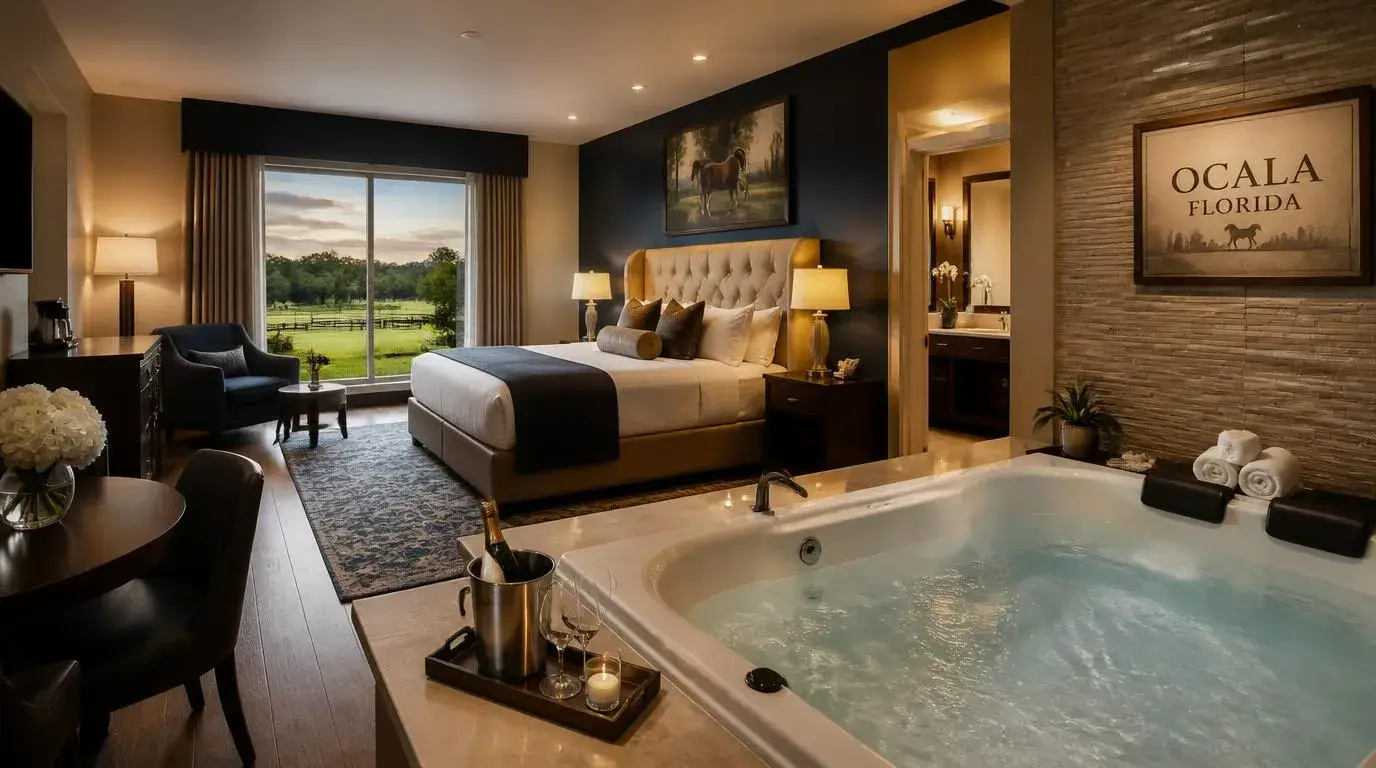
Start with sleep, because sleep makes or breaks a trip like this. You want a quiet room, well away from elevators, ice machines and the bar patio. Blackout curtains that actually black out. A mattress on the firmer side, supportive rather than saggy. Those unglamorous details do more for a babymoon than any spa menu.
Ask for extra pillows when you book, not when you arrive tired at 9 p.m. Most hotels will happily pile them onto the bed if they know in advance. When our team verifies a listing, we look past the spa photos and check exactly this stuff. It’s what a restful stay is really made of.
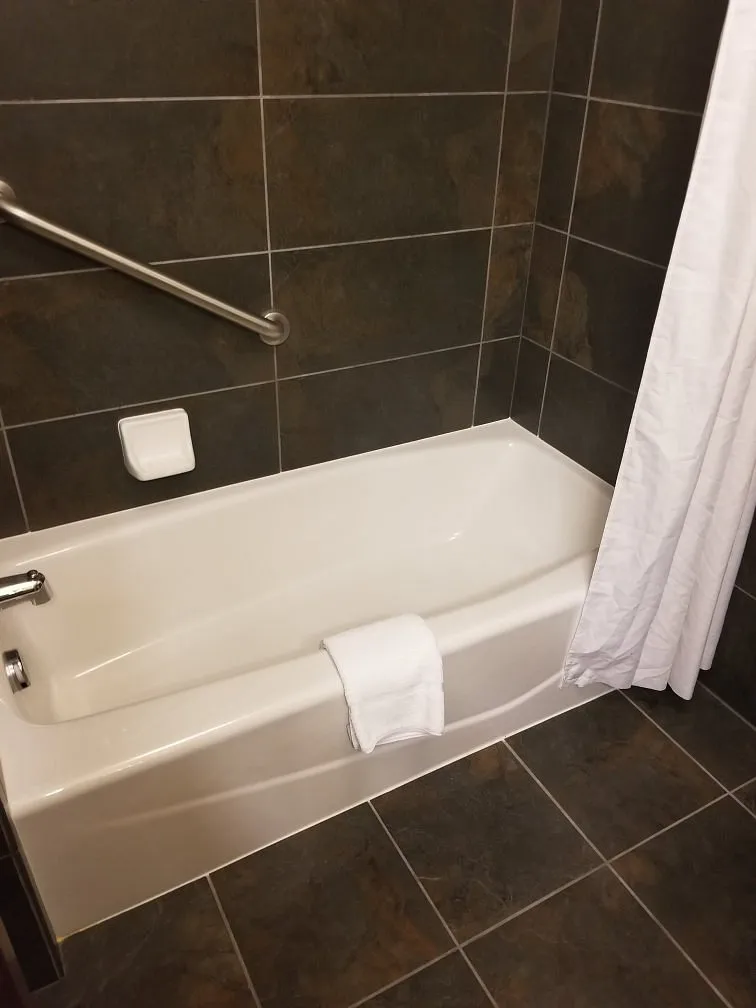
Movement matters too. A ground floor room, or a building with a reliable elevator, saves a lot of climbing. A walk-in shower with a bench or grab bars is a thoughtful extra. Breakfast that can come to the room means nobody has to perform morning cheerfulness in a crowded dining room.
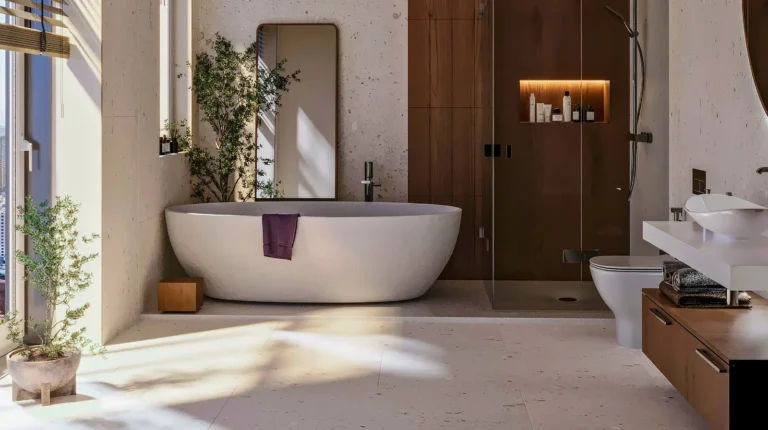
The tub itself tends to become the centerpiece of the whole stay. Pick a deep one you can fill to a comfortable temperature, ideally set at ground level so you can step in easily. Warm water takes the weight off an aching back and tired, swollen feet in a way nothing else quite manages.
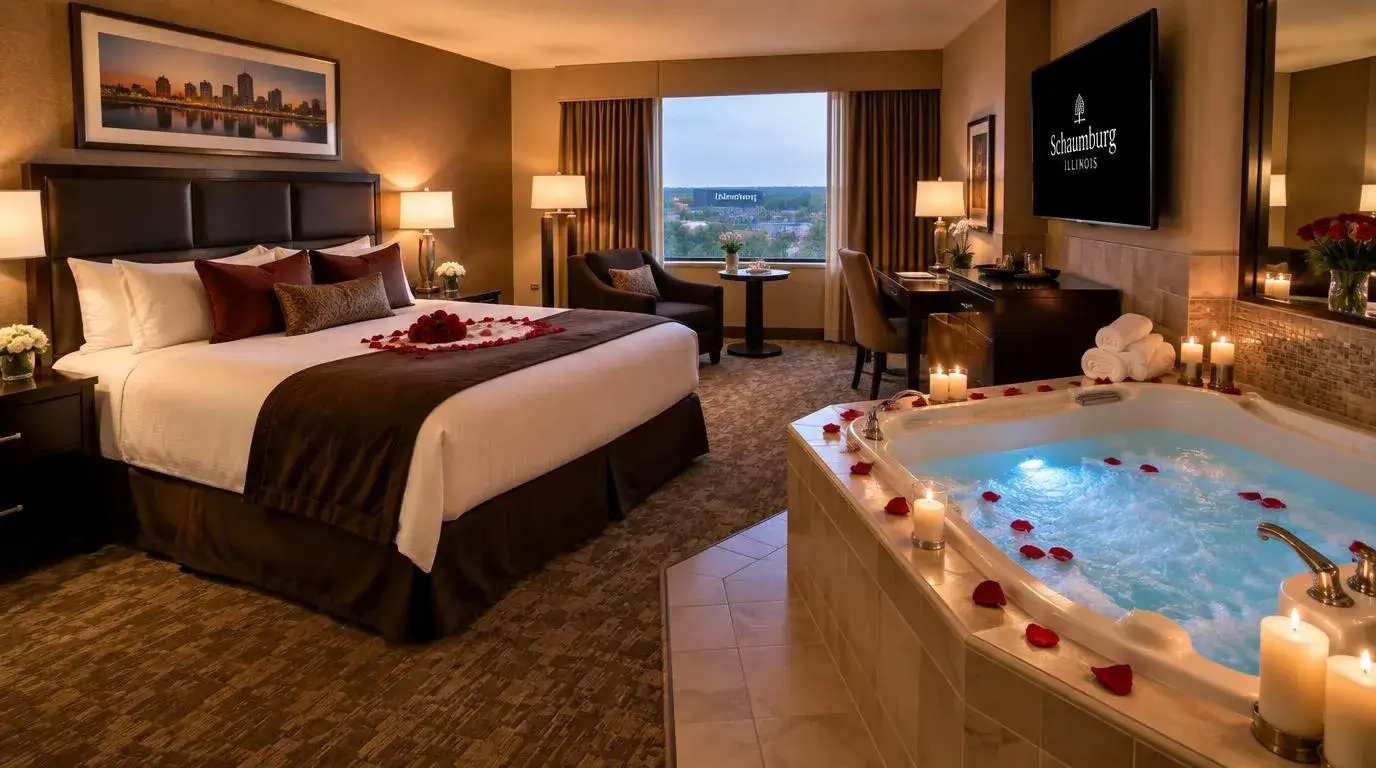
The setting counts as well. Places built for slowness, the kind of luxury hotels across America with gardens, porches and room service that runs late, usually beat big, loud resorts for a trip like this. You’re not there for the itinerary. You’re there for the exhale.
Soaking Safely: Warm, Not Hot
Here’s the one idea in this article we’d underline twice: on a babymoon, the water should be warm, not hot. The reason is basic body mechanics. Pregnancy already asks a lot of your circulation, and sitting in very hot water can push your body temperature up and leave you lightheaded or overheated. That’s the opposite of what this trip is for.
The guidance doctors and midwives repeat most often is simple. Keep bath water comfortably warm, around body temperature rather than steaming, and keep soaks on the shorter side. In practice, a few easy habits cover it:
- Test the water the way you would for a baby. It should feel soothing the moment you get in. No easing yourself in inch by inch, no adjusting to the heat.
- Keep soaks short and repeat them. Fifteen to twenty minutes in warm water, a rest out of the tub, then back in later if you feel like it. That beats one long, very hot session every time.
- Keep water beside the tub and drink it. Warm rooms and warm baths are quietly dehydrating.
- Get out the moment you feel dizzy, nauseous or too warm. No soak is worth pushing through discomfort. Sit on the edge, cool down, and call it done if the feeling hangs around.
- Soak with your partner nearby. Not hovering, just around, especially while you get in and out. Wet floors and a shifted center of gravity are a clumsy pair.
- Mind the exit. Use the tub’s edges or a grab bar, move slowly, and put a towel or bath mat down where your feet will land.
And the ground rule underneath all of it: if you have questions about baths, water temperature or travel itself during your pregnancy, ask your doctor or midwife before the trip and follow their advice over anything you read online, this page included. They know your pregnancy. This guide only knows babymoons.
Soaking Tub or Jetted Tub During Pregnancy?
A lot of babymooners end up preferring a plain soaking tub over a jetted jacuzzi. Here’s why, so you can book the right room on purpose, not by luck. A soaking tub is just a deep tub you fill and rest in. The warmth does the work. No jets, no vibration, no machinery humming away. Just warm water and buoyancy.
That simplicity helps during pregnancy. You control the temperature exactly. The pressure on your belly is nothing but gentle water. And it’s quiet enough to genuinely doze in, which is more or less the goal.
| Feature | Soaking tub | Jetted tub |
|---|---|---|
| Water | Still, freshly drawn for you alone each time | Moving, with massage-like jet pressure |
| Temperature | Exactly as you set it, even throughout | Can feel hotter in spots near the jets |
| Noise | Quiet enough to drift off | Jet noise works against the drift-away mood |
| Pressure on your belly | Gentle water only | Stronger water pressure some travelers prefer to skip |
A jetted tub adds moving water and massage-like pressure, and some people love what that does for an aching back. Still, the jets can make the water feel hotter in spots, the noise fights the whole drift-away mood, and plenty of travelers would rather skip strong water pressure against the abdomen. There’s a practical point too. With a soaking tub, the water is freshly drawn for you alone each time, and many pregnant guests find that more reassuring.
Neither choice is wrong. Plenty of suites pair a deep tub without jets with a separate shower, which is a nice setup. The catch is that listing photos rarely make the difference obvious, so check before you book. In our checks of thousands of listings, we’ve found that room descriptions seldom spell out which style of tub you’re actually getting.
When you compare hotels with a jacuzzi in the room, look for descriptions that say “deep soaking tub,” then call the property and confirm the style. Ask how the tub fills, too. A standard faucet with full temperature control is what you want. That one phone call shapes the whole stay.
When Should You Take a Babymoon?
Couples ask us about timing a lot, and the most common answer is the second trimester, roughly the middle stretch of pregnancy. For many people that’s when the early nausea has eased, energy has come back, and the bump is present without yet turning every chair and car seat into an engineering problem.
It’s also the stretch when most doctors are generally most comfortable with leisure travel. Still, that’s a question for your own provider, not for a travel guide.
Distance matters as much as timing. A drive of two or three hours to a beautiful hotel nearly always beats a long flight at this stage of life: no airport queues, no seatbelt over the bump for hours, and the freedom to stop whenever you like. Pick somewhere close enough that the journey itself feels like part of the treat.
Two nights is the sweet spot for most couples. Long enough to truly unwind, short enough that nobody ends up pining for their own bed, their own pillows and their own kitchen. If you’ve planned a rest-first trip once before, you already know the rhythm. Our newlywed guide to honeymoon jacuzzi suites in the USA is built on exactly the same idea.
One more timing tip: build the trip around nothing. One gentle activity a day is plenty. A scenic drive, a garden, one nice dinner. The couples who enjoy babymoons most are the ones who treat “we napped, then we soaked, then we ate cake” as a complete and successful itinerary.
A Slow Babymoon Itinerary
Here’s a two-night template built around rest. Notice what’s missing: alarms, reservations stacked back to back, and anything described as a “must-see.”
| When | The Plan |
|---|---|
| Day 1, afternoon | Arrive, unpack slowly, and take a short warm soak to wash off the drive. Early dinner somewhere cozy, or room service in robes. |
| Day 1, evening | A film, a book, lights out early. Set no alarm. |
| Day 2, morning | Breakfast in bed. A gentle stroll if the weather and your energy agree, or a return to bed with a magazine. |
| Day 2, afternoon | The long soak: warm water, a drink and a snack beside the tub, music low. Follow with a nap without apology. |
| Day 2, evening | One nice dinner out, the trip’s single dressed-up moment. Home early. |
| Day 3, morning | A final short soak, a slow breakfast, late checkout if you arranged it, and an easy drive home. |
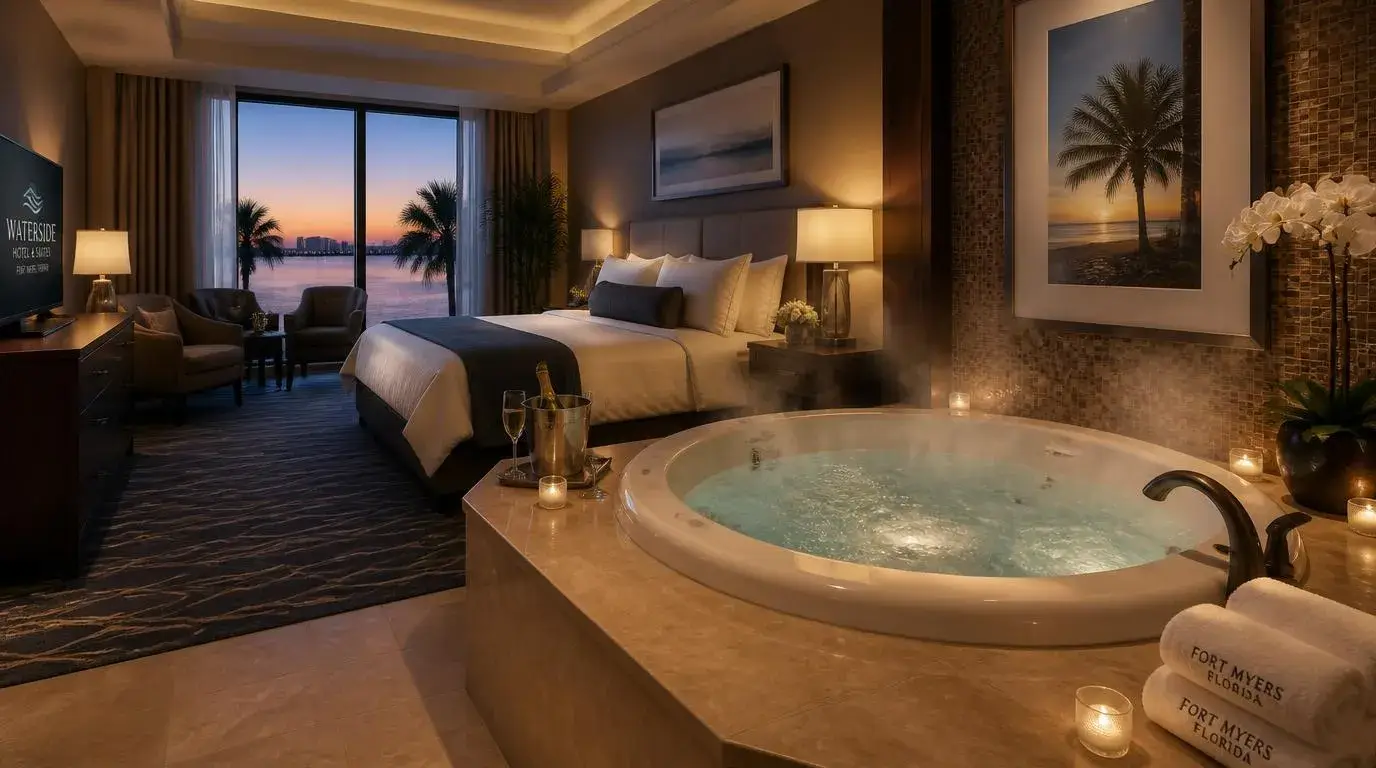
The thread running through the whole schedule is permission. Permission to rest in the middle of the day, to eat breakfast twice, to let the tub count as the activity. That’s what a babymoon is for.
What to Pack for a Babymoon Stay
Pack for comfort and small emergencies, and the trip mostly takes care of itself:
- Your own pillow if you’re particular, plus any maternity support pillow you already sleep with. Hotel pillows vary wildly.
- Comfortable, loose clothing with room to grow into over a weekend of good meals, and a swimsuit that fits now, not the one from last summer.
- A favorite non-alcoholic drink or two: sparkling water, juice or a bottled mocktail, so the minibar moment still feels like a treat.
- Snacks for the room, since pregnant hunger does not respect restaurant hours.
- Gentle bath additions you already know suit your skin, plain bath salts for example. Pregnancy can make skin more reactive, so skip trying brand-new scented products on this trip.
- Any vitamins or medications you take, in your hand luggage, plus a note of your doctor’s number and the nearest hospital to the hotel, just for peace of mind.
- Slippers with a grip sole and a warm layer for the walk between tub and bed.
Questions to Ask the Hotel Before You Book
A five-minute call before you reserve can change the whole stay. Ask about the tub first: is it a soaking tub or a jetted tub, and how deep is it? Can we have a quiet room away from the elevator, ideally on a floor the elevator reaches, so there are no long stair climbs? Can extra pillows be in the room before we arrive? Is late checkout possible, even for a fee? Does room service run late, and can breakfast be delivered to the room?

Hotels answer questions like these every week, and the good ones light up at the word “babymoon.” Many will quietly add a small touch of their own: a bottle of something sparkling and alcohol-free, a later checkout, their best quiet room. All because you told them why you’re coming.
A Note for Partners: Your Job on This Trip
If you’re the non-pregnant half of this babymoon, your role is simple to describe and lovely to perform: remove friction. You call the hotel, confirm the quiet room and the extra pillows, handle the luggage, keep the water bottle filled, and watch the clock so nobody soaks too long or skips a meal.
Run the bath at the right warm temperature before your partner even asks. Keep the plans so loose that cancelling them costs nothing. And take the photos, the unposed ones. There will never be another trip quite like this one: the last journey of two, taken in the calm right before everything wonderfully changes.
Frequently Asked Questions
Can I use a hotel soaking tub while pregnant?
Most guidance says warm baths are fine during pregnancy, as long as the water is warm rather than hot and you feel comfortable throughout. Keep soaks shorter, stay hydrated, and get out if you feel dizzy or overheated. Because every pregnancy differs, check with your doctor or midwife before your trip.
What water temperature is safe for a babymoon soak?
The common-sense rule is comfortably warm, around body temperature, never steaming and never hot enough that you have to ease yourself in slowly. You should be able to sit down right away and relax. If you’re in doubt, run the water cooler. A warm soak gives you the same rest without the worry.
When is the best time to take a babymoon?
Many couples choose the second trimester, when energy is often better and travel is usually most comfortable, and they pick somewhere within a few hours’ drive of home. Two nights is enough for most people. Always confirm your travel plans with your own healthcare provider first.
Is a soaking tub better than a jacuzzi for a babymoon?
Many pregnant travelers prefer a soaking tub. The temperature is fully under your control, there’s no jet pressure on your belly, and the whole thing is quieter and simpler. If you book a room with jets, you can simply run the tub without turning them on.
A babymoon done well isn’t about the fanciest property or the longest drive. It’s about two people, one beautiful room, and permission to do almost nothing, slowly. Choose a hotel that takes rest seriously, call ahead and say what the trip is for, and let warm water do the heavy lifting. When you’re ready to look, start with America’s most relaxing luxury hotels and the wider listings of hotels with a tub in the room. Pick somewhere close, and go enjoy the quiet while it’s still just yours.
The BookingFlyNHotel Team. We hand-verify hotels with a private jacuzzi or hot tub in the room: 13,000+ listings across all 50 states.