
Introduction
In recent years, the travel industry has witnessed a surge in the popularity of accommodations that feature in-room hot tubs and spa access. These luxurious amenities cater to individuals seeking an escape from the rigors of daily life, offering them a chance to unwind and indulge in much-needed relaxation. As modern travelers prioritize comfort and self-care, the decision between opting for a room equipped with a private hot tub or booking a hotel that provides comprehensive spa services often arises.
In-room hot tubs are celebrated for the privacy and convenience they offer. Guests enjoy the option to soak on their schedule, without the need to share facilities with others. This exclusivity allows for a more intimate experience, perfect for couples or those who wish to indulge in solitude. On the other hand, spa access delivers a broader range of services, including massages, facials, and wellness treatments that extend beyond simply soaking in water. Such amenities can elevate the overall enjoyment of a stay, providing an immersive experience tailored to personal wellness needs.
This blog post aims to delve deeper into these two options, analyzing the value each brings to the table. By exploring the benefits, drawbacks, and cost implications associated with in-room hot tubs versus spa access, readers will be equipped with the knowledge needed to make informed decisions that align with their travel goals. Whether seeking relaxation in the privacy of one’s room or the rejuvenation offered by professional spa treatments, understanding these amenities will enhance the overall travel experience.
The Allure of In-Room Hot Tubs
In recent years, in-room hot tubs have gained significant appeal among travelers seeking relaxation and rejuvenation during their stay. The primary allure of these luxurious fixtures lies in the privacy they provide, allowing guests to unwind without the interruptions common in shared spa facilities. With an in-room hot tub, one can indulge in a calming soak at any time of day, whether it’s to ease the tension of travel or to simply enjoy an intimate moment away from the hustle and bustle of everyday life.
The convenience of having a hot tub right in your room cannot be overstated. After a long day of exploring a new city or engaging in adventurous activities, returning to a personal oasis adds a unique layer of comfort to the travel experience. Guests can enjoy a serene soak while sipping a glass of wine or listening to their favorite music, all without the necessity of adhering to a spa schedule. This flexibility often enhances the perceived value of in-room hot tubs, particularly for couples celebrating special occasions or individuals seeking a solo retreat.
However, the overall value of in-room hot tubs is influenced by several factors, including the prestige of the hotel and the range of amenities included with the accommodation. Premium hotels typically charge higher rates for rooms with hot tubs due to their exclusive offerings, which may also encompass spa services or fine dining options. Therefore, when considering the financial aspects, travelers should evaluate what is bundled in their stay. In some instances, paying a little more for an in-room hot tub can provide more comfort and relaxation than spa access, making it a worthwhile investment for those prioritizing privacy.
Benefits of Spa Access
Access to a spa offers a wealth of benefits that extend far beyond the simple enjoyment of in-room hot tubs. Spas typically provide a diverse array of treatments including massages, facials, body scrubs, and even hydrotherapy sessions. This variety allows guests to tailor their wellness experience according to their personal needs. For instance, a relaxing massage can alleviate stress and tension, while a rejuvenating facial enhances skin health and appearance, promoting an overall sense of well-being.
Moreover, the environment of a spa is meticulously designed to foster relaxation and tranquility. Spas often feature calming decor, tranquil music, and soothing aromas that work together to create an atmosphere conducive to relaxation. This ambience is frequently complemented by professional staff who are trained in various therapeutic techniques, ensuring that guests receive high-quality care. The presence of expert therapists can significantly enhance the efficacy of treatments, contributing to improved physical and mental health outcomes.
Another significant advantage of spa access is the opportunity for social interaction. Many spas include communal areas such as pools, saunas, and relaxation lounges, encouraging guests to connect with others. This communal aspect can enrich the overall experience, allowing individuals to share their thoughts on treatments or simply enjoy the company of other like-minded individuals prioritizing wellness and self-care. In contrast to the solitude of an in-room hot tub, spas can stimulate social bonds, providing a unique dimension to the wellness journey.
When considering value for money, the holistic approach of spa access often makes it a more rewarding choice than in-room hot tubs. The integration of a variety of treatments, professional expertise, serene environment, and opportunities for socialization culminate in a comprehensive wellness experience that is hard to replicate within the confines of a hotel room.
Cost Comparison: In-Room Hot Tubs vs Spa Access
The cost of accommodation and spa services can significantly impact the overall travel experience. When evaluating the financial implications of in-room hot tubs versus spa access, several factors should be considered, including the type of accommodation, location, and additional amenities offered. Typically, hotels or resorts equipped with in-room hot tubs charge a premium for such facilities. Rates for these rooms can vary widely, ranging from $100 to $500 per night, depending on the property’s star rating and location. Furthermore, guests should factor in the potential extra costs for services like room service, which may be more readily available when staying in a room with a hot tub.
In contrast, spa access fees often vary based on the offerings provided. Many resorts include complimentary access to their spa facilities with the purchase of a treatment, while others may charge between $30 and $100 for day passes. These fees typically grant access to amenities such as saunas, steam rooms, pools, and relaxation areas, representing a value that extends beyond just a single hot tub experience. The allure of a spa visit lies not only in the therapeutic treatments but also in the overall ambiance and relaxation provided by the facility.
When considering which option offers better value for money, potential guests should analyze their individual preferences. Those prioritizing privacy and convenience might lean towards an in-room hot tub, while those looking for a more comprehensive wellness experience may prefer the varied offerings available at a dedicated spa. Ultimately, the financial decision hinges upon factors such as personal comfort, preferred activities, and overall travel objectives. Understanding the distinct cost structures of in-room hot tubs and spa access can assist travelers in making an informed choice regarding their accommodation and relaxation needs.
Guest Experiences: In-Room Hot Tubs
In recent years, many travelers have chosen accommodations featuring in-room hot tubs, appreciating the unique experiences these amenities provide. For couples, an in-room hot tub represents an opportunity for intimacy and romance, enhancing their getaway by allowing them to unwind together in the privacy of their own space. One couple recounted their anniversary trip where the in-room hot tub played a vital role in setting the mood. They enjoyed moments of relaxation together while sipping champagne, creating lasting memories without the need to venture outside.
Families have also recognized the appeal of in-room hot tubs. Parents often cite the convenience of having a private, accessible bathing option that entertains their children after a long day of activities. One family shared their experience of winding down in their hotel room, enjoying leisurely soaks after exploring local attractions. This arrangement not only afforded them quality time away from crowded public areas but also allowed for relaxation in a controlled environment, catering to their specific needs.
This amenity has garnered positive reviews from various traveler demographics, including solo travelers seeking solace and rejuvenation after busy days. A solo guest mentioned how the in-room hot tub added an unexpected touch of luxury to their stay, allowing for peaceful evenings of self-care and reflection. This intimacy and comfort, afforded by the option of an in-room hot tub, has proven to resonate with many guests’ desires for convenience and relaxation during their travels.
The consistent theme among travelers is the added value an in-room hot tub can provide, enriching the experience of their stay. For those seeking comfort, privacy, and a bit of indulgence, in-room hot tubs deliver a compelling option, making them a popular choice in a saturated hospitality market.
Guest Experiences: Spa Access
Travelers often seek the utmost in relaxation and rejuvenation during their hotel stays, and spa access frequently emerges as the favored choice for those looking for an all-encompassing wellness experience. Numerous testimonials relay the profound satisfaction guests have felt when indulging in spa services, highlighting elements such as tranquility, professional care, and an extensive menu of treatments. Many guests emphasize the soothing atmosphere of the spa, which contrasts with some private in-room offerings.
One frequent comment from visitors indicates that indulging in massages or facials in a dedicated spa facility enhanced their overall relaxation while traveling. As one traveler noted, “The serene environment of the spa allowed me to unwind completely; I felt like I was in another world.” These sentiments are echoed across various reviews, with guests expressing appreciation for the chance to escape the hustle and bustle of everyday life. The soothing sounds of gentle music, combined with the scent of essential oils, contribute significantly to this rejuvenating experience.
A frequent highlight among spa-goers is the ability to receive multiple treatments within the same visit. Guests often rave about the benefits of trying out not only massages but also body treatments and hydrotherapy in the spa’s specialized facilities. For instance, one reviewer shared their unforgettable experience, stating, “I had an invigorating body scrub followed by a deep tissue massage and ended with a luxurious soak in the hot springs—everything was fantastic!” Such comprehensive experiences are difficult to replicate in in-room settings, further enhancing the perceived value of spa access.
Overall, the consistent feedback from guests concludes that spa access is not merely a luxury, but a worthy investment in one’s well-being that significantly elevates the value of a hotel stay.
Factors to Consider When Choosing
Choosing between in-room hot tubs and spa access requires careful deliberation, as various factors play a significant role in influencing a traveler’s decision. The first aspect to consider is personal preference, particularly regarding privacy versus social interaction. For travelers who value solitude and intimacy, an in-room hot tub offers the perfect retreat. This option allows individuals to unwind in a private setting without the distractions or busyness often found in communal spa areas.
On the other hand, many guests appreciate the social atmosphere provided by spa access. Interacting with other patrons, sharing experiences, and enjoying treatments alongside friends or family can enhance the overall wellness experience. Thus, understanding one’s comfort level with social interactions can greatly impact the decision.
Next, the types of amenities desired should be evaluated. In-room hot tubs often come equipped with additional luxuries such as mood lighting, entertainment systems, and increased privacy. Conversely, spa access typically includes a broader range of treatments and facilities. Popular options often include steam rooms, saunas, and various massage therapies that one may not find in a hotel room.
Another critical factor is the overall travel budget. An in-room hot tub may initially seem like a higher cost, but it can potentially save on additional expenses incurred at a spa. On the other hand, some travelers find that spa access is worth the splurge for quality treatments and a dedicated wellness experience. Lastly, consider the length of stay; longer trips may warrant access to a spa to maximize relaxation and rejuvenation opportunities.
Ultimately, evaluating these factors will lead to a more informed choice, ensuring that the selected amenities align with the traveler’s preferences and enhance their overall enjoyment of the trip.
Visual Comparison: Images of Both Experiences
When it comes to choosing between in-room hot tubs and spa access, visual representation can significantly enhance understanding and appreciation of each option’s unique offerings. Below, we present a carefully curated selection of images that exemplify the contrasting experiences provided by these amenities.
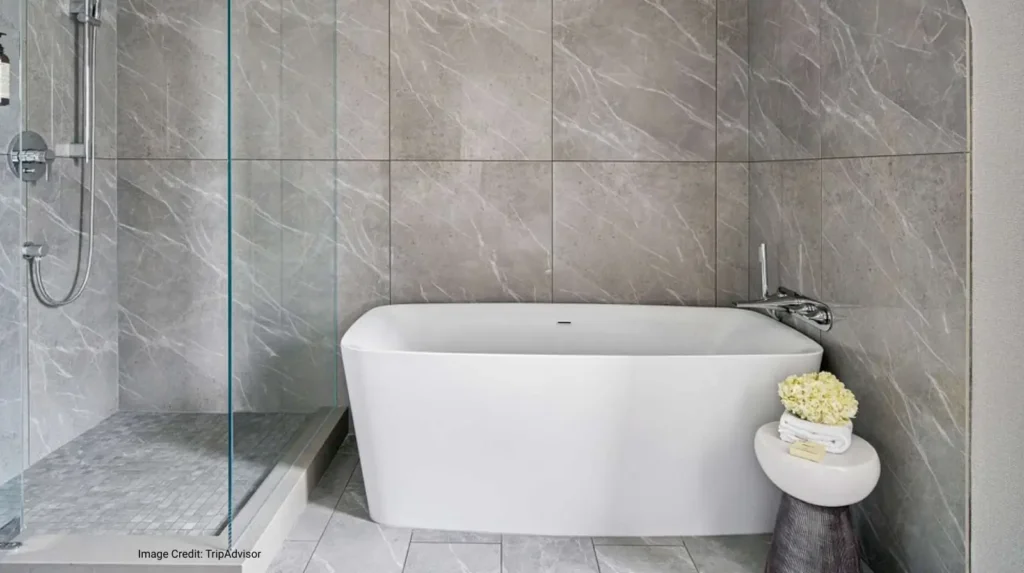
The first image showcases an elegantly designed in-room hot tub, situated next to a large window that allows natural light to flood the space. The warm ambiance, complemented by aromatic candles and plush textiles, speaks to the privacy and comfort that an in-room experience can offer. This setting invites guests to unwind in their own personal sanctuary, providing an intimate atmosphere ideal for relaxation after a long day.
In contrast, the second image highlights a lavish spa environment. Here, guests can be seen enjoying the communal facilities, complete with calming water features, lush greenery, and luxurious loungers. The bustling yet serene ambiance of this spa promotes a sense of community and shared relaxation, allowing individuals to socialize while indulging in rejuvenating treatments. This juxtaposition illustrates the vibrant energy typically found in spas as opposed to the tranquil solitude of hot tubs located within guest rooms.
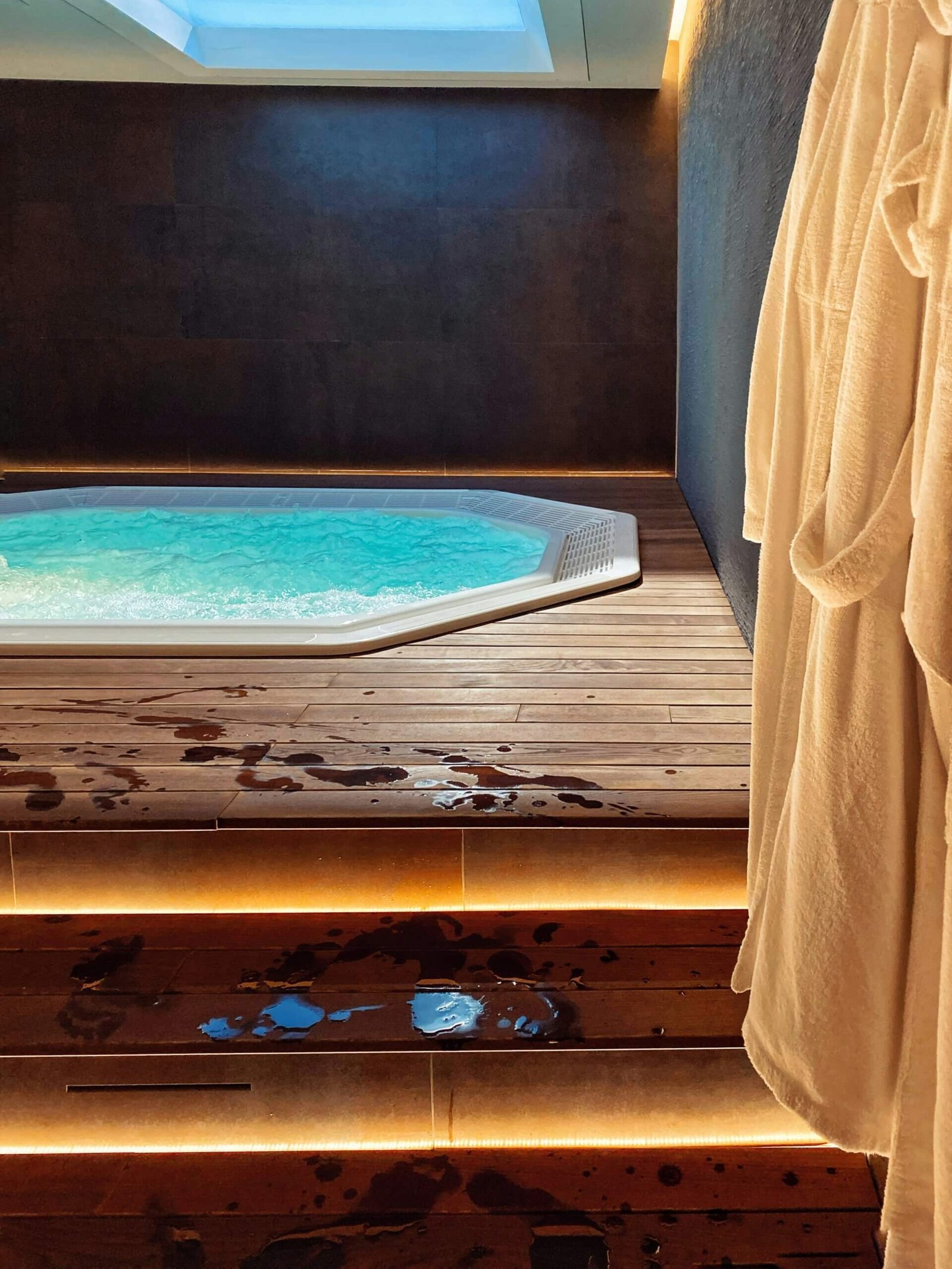
The fourth image returns to the spa realm, showcasing a hydrotherapy pool surrounded by soothing lighting and state-of-the-art treatments. This photograph encapsulates the comprehensive wellness experience often found at spas, emphasizing features such as various hydrotherapy jets and the accessibility of professional services.
By visually comparing these two options, it becomes evident that both offer unique advantages tailored to distinct preferences for relaxation and rejuvenation.
Frequently Asked Questions (FAQs)
When considering the options of in-room hot tubs versus spa access, potential guests often have several questions regarding pricing, hygiene standards, and best practices. Understanding these aspects can greatly influence one’s decision and ensure a satisfying experience.
One common inquiry pertains to pricing. Generally, in-room hot tubs may incur higher initial costs transparently listed as part of the room rate. Conversely, spa access fees can vary widely based on services offered, duration, and the establishment’s prestige. Guests often find that package deals, including treatments and access to facilities, can represent better value for a day spa experience. It is advisable to review any additional charges that may apply for either option to make an informed financial decision.
Health and hygiene standards are also critical topics for consideration. Reputable hotels with in-room hot tubs typically adhere to strict sanitary practices to ensure the water remains clean and safe for use. Regular maintenance, frequent water changes, and filtration systems play key roles in maintaining high hygiene standards. Spas, on the other hand, generally incorporate rigorous cleanliness protocols, ensuring that shared facilities are sanitized frequently. It is advisable for patrons to inquire about these measures in advance to alleviate any concerns regarding health safety.
When booking, it is recommended to consider timing and reservation policies. It is beneficial to book in advance, especially during peak seasons, to guarantee the desired room or spa services. For maximizing the enjoyment of either experience, guests should confirm specific amenities available and plan accordingly. Bringing along items such as herbal teas or relaxation music can enhance the experience, whether in a private setting or a communal space.
Overall, by addressing these frequently asked questions, readers can better navigate their options regarding in-room hot tubs and spa access, leading to an enjoyable and satisfactory retreat.