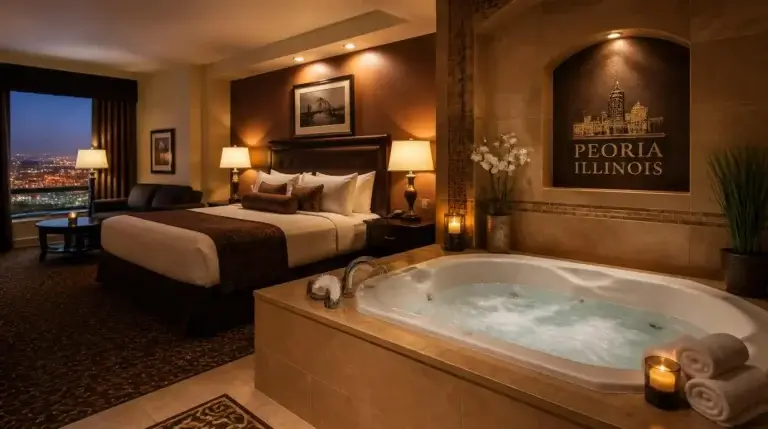
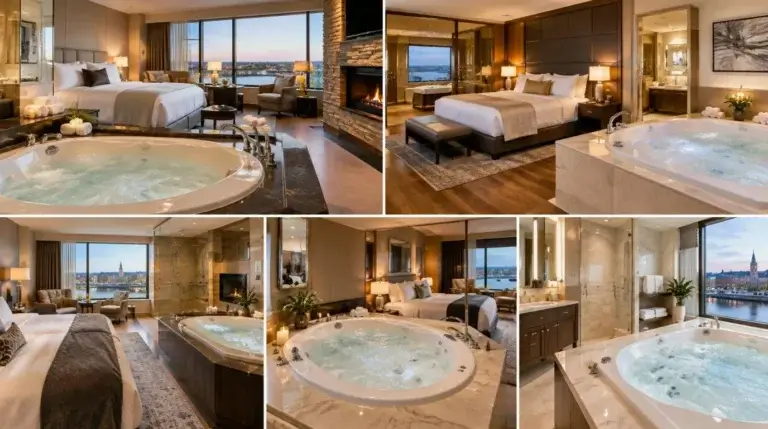
Quick answer: Most hotel hot tubs are set between 100 and 104 degrees Fahrenheit, and 104 is the safety ceiling that health guidance uses for public spas. For most adults, 100 to 102 degrees feels warm and relaxing without being too much, so pick a soak in that range and keep it fairly short.
You have just checked in, the room looks great, and the tub is the whole reason you booked. Then you dip a hand in and think, wait, is this water actually the right heat, or is it just me? Knowing what temperature should a hotel hot tub be takes the guesswork out of that first soak, and it helps you judge a property before you ever book it.
This guide walks through the safe range, the comfort range, and how hotels actually control the heat. You will also learn what to do when a tub feels too hot or too cold, plus the plain, careful advice that applies to kids, pregnancy, and health conditions, so you can soak with confidence on your next trip.
In this guide
- 1. The safe range almost every hotel follows
- 2. How hotels actually set the temperature
- 3. Finding your comfort zone by type of soak
- 4. How long you can safely stay in
- 5. What to do if the water feels too hot
- 6. What to do if the water feels too cold
- 7. Children and hot tub heat: the careful version
- 8. Pregnancy and health conditions
- 9. How to check the temperature before you book
- 10. Pre-booking checklist
- 11. Frequently Asked Questions
- 12. Final Thoughts
1. The safe range almost every hotel follows
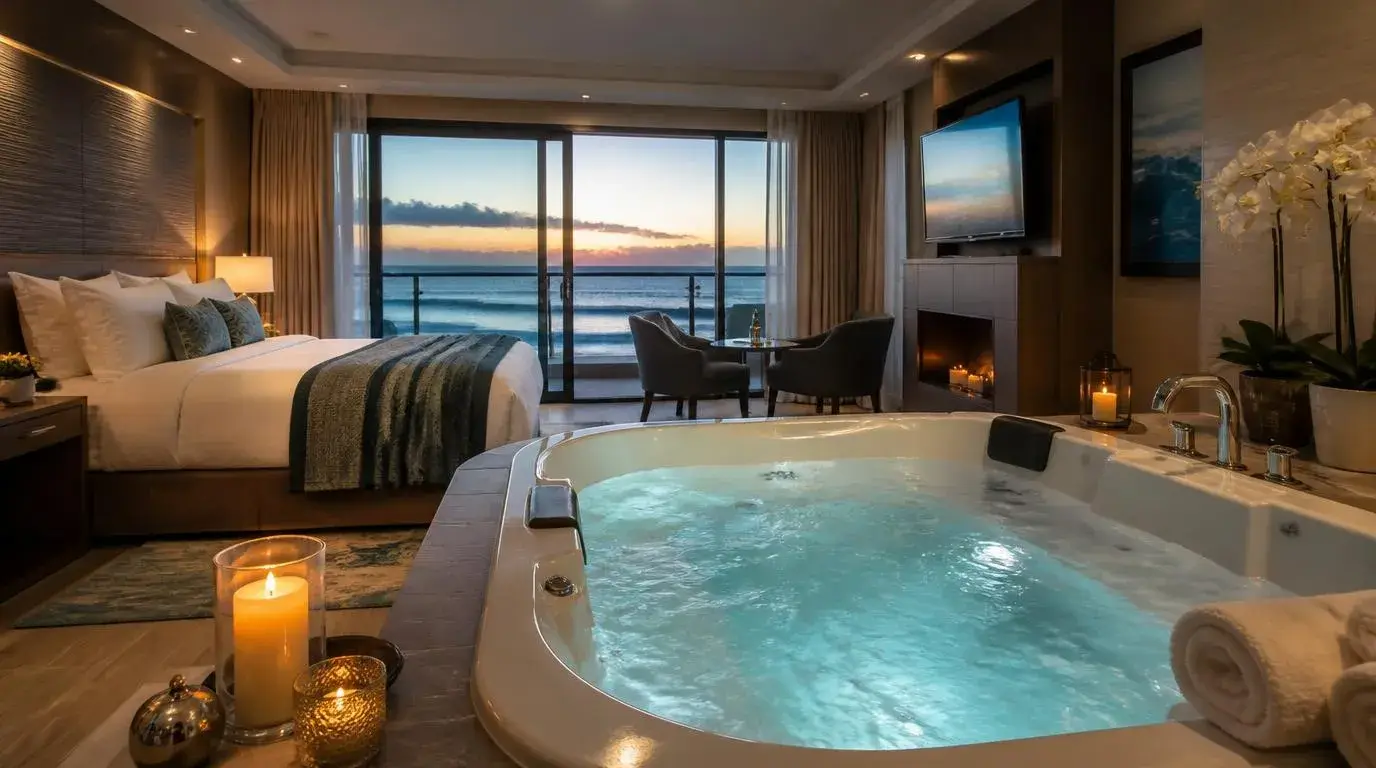
Hotel hot tubs live in a narrow band, and there is a good reason for that. Below about 98 degrees, the water feels flat and lukewarm, more like a bath that has been sitting out. Above 104 degrees, health risks climb fast, so that number works as the hard top end for public spas in the United States.
The 104 degree ceiling
Public health guidance in the U.S. treats 104 degrees Fahrenheit as the maximum safe water temperature for a hot tub or spa. Hotels that run shared spas have strong reasons to respect that cap: guest safety, local health codes, and simple liability. If a shared hotel spa ever feels much hotter than a very warm bath, something is off, and it is fine to say so.
The comfort zone most guests like
Between 100 and 102 degrees is where most adults settle in and relax. Your muscles loosen, the water feels properly hot, and you can stay in for a comfortable stretch without feeling drained. Couples on a romantic break usually land here, and it is the range our readers ask about most.
Why the range is so narrow
Hot water raises your body temperature because you cannot sweat it off the way you do in a sauna. A few degrees make a real difference to how your body copes, which is why the gap between “lovely” and “too much” is smaller than people expect. When in doubt, start cooler and give your body a few minutes to adjust.
2. How hotels actually set the temperature
Not every tub works the same way, and that explains a lot of the mixed reviews you read online. A shared spa by the pool is heated and held at one set point by the hotel. An in-room jacuzzi tub is usually filled fresh by you, from the taps, so the heat is in your hands.
Shared spa tubs vs in-room tubs
A shared hot tub runs all day at a fixed temperature chosen by the property, often right around 102 to 104 degrees so it still feels hot when the lid has been off. An in-room tub starts empty. You run the hot and cold taps, test with your hand or elbow, and stop when it feels right, which means you can aim for a gentler 100 degrees with ease.
Who controls the dial
For a shared spa, only staff can change the setting, and many properties lock the controls for health code reasons. For an in-room tub, you are the dial. When our team verifies a listing, we check which type of tub a room really has, because that one detail changes your whole soak. If you are not sure which type a room offers, read our guide on how to tell if a hotel room really has a private jacuzzi before you book.
3. Finding your comfort zone by type of soak
The best temperature depends on what you want from the soak. A quick warm-up after a cold day out is different from a long, slow unwind with your partner. Use this simple table as a starting point, then adjust to how you feel.
| Water temperature | How it feels | Good for |
|---|---|---|
| 98 to 100°F | Gentle warmth, easy to stay in | Longer soaks, sensitive guests, cooling down slowly |
| 100 to 102°F | Properly warm and relaxing | Most adults, couples, sore muscles after travel |
| 102 to 104°F | Strong heat, short sessions | Brief soaks on cold nights, experienced hot tub users |
| Above 104°F | Too hot | Not recommended for anyone; tell the hotel |
Remember that the water always feels hottest in the first minute. Give it a little time before you judge, and sit on the edge with your legs in if you need a slower start. Feeling light headed is never part of the deal; that is your cue to get out and cool off.
4. How long you can safely stay in
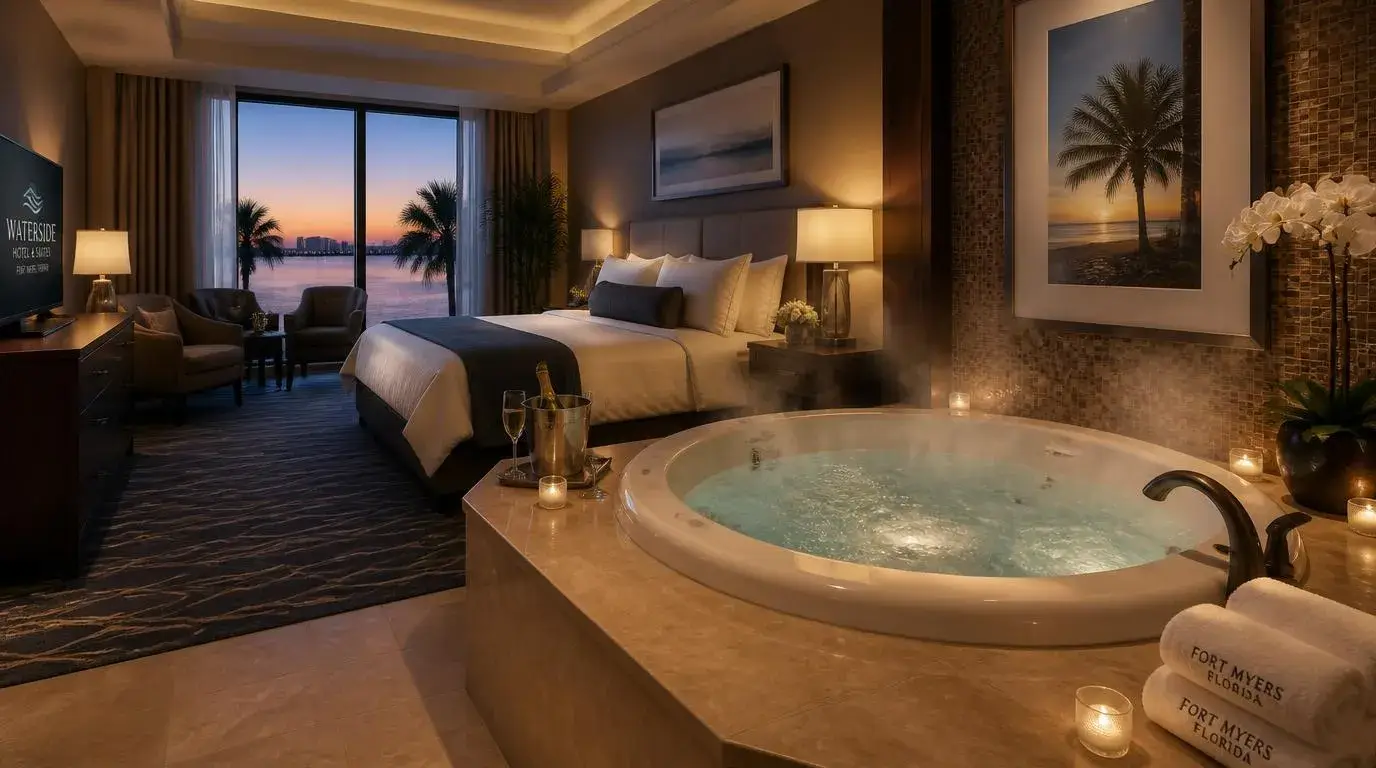
Temperature and time work as a pair. The hotter the water, the shorter the soak should be. At 104 degrees, even healthy adults are usually advised to keep it brief, around 10 to 15 minutes, while at 100 degrees many people are comfortable for 20 to 30 minutes.
Simple time rules that work
- At 100 to 102 degrees, try 15 to 25 minutes, then take a break.
- At 103 to 104 degrees, keep it to about 10 to 15 minutes.
- Sit out for a few minutes between rounds instead of staying in for one long stretch.
- Drink water before and after; hot tubs make you sweat more than you notice.
Signs it is time to get out
Get out right away if you feel dizzy, sick to your stomach, faint, or if your skin feels uncomfortably hot. Skip the soak entirely if you have been drinking alcohol, since alcohol and hot water both lower your blood pressure and mask how hot you really are. A soak should leave you relaxed, not wiped out.
5. What to do if the water feels too hot
It happens: you slide in and the heat is more than you bargained for. Do not just tough it out. A few simple steps fix most too-hot tubs.
- Get out and cool down for a few minutes first; your comfort comes before the soak.
- If it is your in-room tub and you have not filled it yet, use more cold tap water and less hot when you fill it.
- If the tub is already full and too hot, let it sit with the cover off, or run a small amount of cold water in while some water drains, until it settles.
- For a shared spa, tell the front desk or pool staff; they can check the setting and the thermometer.
- If the water still feels scalding after that, skip it and let the hotel know in clear terms.
One thing not to do: never try to cool a shared spa yourself by adding buckets of cold water or ice. It messes with the water balance for everyone and the staff will not thank you. In-room tubs are the flexible ones, which is a big reason couples book them.
6. What to do if the water feels too cold
A lukewarm tub is the other classic letdown. Shared spas can feel cooler right after the cover comes off or on a cold, windy evening, since heat escapes from the surface. Give it ten minutes with the cover back on and the jets running and it often recovers.
If it stays tepid, report it. A spa that cannot hold its set temperature may have a heater fault, and the hotel cannot fix what it does not know about. Clean, well kept water is part of the same picture; our hotel jacuzzi hygiene guide explains the checks a good property runs behind the scenes. For an in-room tub, the fix is easy: drain a little and top up with hot water from the tap.
7. Children and hot tub heat: the careful version
Kids heat up faster than adults because their bodies are smaller and still learning to regulate temperature. That is why the general health advice is cautious. Children under five are usually advised to skip hot tubs altogether, and older children should soak for short stretches, in cooler water, with an adult right there.
Practical rules for families: keep the water at the low end, around 98 to 100 degrees; keep soaks short, about 5 to 10 minutes at a time; make sure a child can stand with their head well above the water; and never leave kids alone in or near a tub, even for a minute. If you are planning a family trip, an in-room tub you fill yourself is easier to manage than a shared spa, because you set both the depth and the heat.
8. Pregnancy and health conditions
This one matters, so here is the plain version. Raising your core body temperature is the concern during pregnancy, above all in the first trimester, and many doctors advise pregnant guests to avoid hot tubs or to keep any soak short and below 100 degrees. Rules differ from person to person, so check with your own doctor before a trip and follow their call, not a blog post.
The same care applies if you have heart or blood pressure conditions, diabetes, or you take medicine that affects how you handle heat. Hot water widens blood vessels and can drop blood pressure, which is why people sometimes feel faint when they stand up. If any of that sounds like you, talk to your doctor first, soak with a partner, and keep the temperature modest. None of this is meant to scare you off; it is about matching the soak to your body.
9. How to check the temperature before you book
You cannot measure a tub from your sofa, but you can stack the odds in your favor. Start with the room type: booking a room with its own jacuzzi tub hands you control of the fill temperature, which solves most heat complaints before they happen. You can browse rooms like that across our hotels with a jacuzzi in the room listings, all hand checked by our team.
Then do three quick things. First, scan recent guest reviews for the words “hot tub”, “too hot”, or “lukewarm”; patterns show up fast. Second, if the shared spa matters to you, call the hotel and ask what temperature they keep it at and whether staff can adjust it. Third, when you compare rooms and read guest feedback, compare jacuzzi rooms and recent reviews here before you commit, since review text often mentions water temperature by name.
10. Pre-booking checklist
Run through this list before you pay, and the heat question mostly answers itself.
- Decide your target: 100 to 102 degrees suits most adults.
- Choose an in-room tub if you want control over the temperature.
- Read recent reviews and search them for heat complaints.
- Call the hotel and ask what the spa is set to, if you plan to use the shared one.
- Check who is soaking: lower heat and shorter times for kids, and doctor first if you are pregnant.
- Plan soak lengths, water breaks, and no alcohol before a hot soak.
Ready to pick a room? See jacuzzi room options and prices for your dates, then double check the room type on the hotel page before you book.
11. Frequently Asked Questions
Is 104 degrees safe for everyone?
No. 104 degrees Fahrenheit is the top end for healthy adults in short soaks, and it is too much for young children, pregnant guests, and many people with heart or blood pressure issues. Most guests are better off between 100 and 102 degrees.
Why does a hotel hot tub feel hotter than my tub at home?
A home bath starts losing heat the moment you fill it, while a hotel spa is held at its set point the whole time. The jets also move hot water across your skin, which makes the same temperature feel stronger. Give yourself a few minutes to adjust before you decide.
Can I ask the hotel to lower the temperature?
Yes, for a shared spa you can always ask; staff may adjust it within their safe range, though some properties keep controls locked for health code reasons. With an in-room tub you do not need to ask anyone, since you fill it yourself.
How hot should the water be for a romantic soak?
Most couples are happiest at 100 to 102 degrees, warm enough to relax in and mild enough to enjoy a longer soak together. Going hotter tends to cut the evening short. Add candles on the side and drinks after, not during.
Is it fine to soak every day of a trip?
For most healthy adults, a daily soak at a sensible temperature and length is fine. Keep sessions moderate, drink water, and moisturize after, since hot water can dry your skin. If you start feeling run down, take a day off.
12. Final Thoughts
- The safe ceiling for a hotel hot tub is 104°F; the comfort zone for most adults is 100 to 102°F.
- Hotter water means shorter soaks, and any dizzy or sick feeling means get out.
- In-room tubs give you control of the heat; shared spas are set by the hotel.
- Kids need cooler, shorter soaks, and pregnancy or health conditions call for a doctor’s advice first.
- Check reviews and ask the hotel about temperature before you book.
The BookingFlyNHotel Team. We hand-verify hotels with a private jacuzzi or hot tub in the room: 13,000+ listings across all 50 states.