
Quick answer: For the most reliable summer weather, pick Aruba, Bonaire or Curacao. These three southern islands sit below the main hurricane belt, so storms rarely reach them. Everywhere else, summer is low season: greener, quieter and cheaper, but it comes with storm risk, so go with flexible plans and proper travel insurance.
If you are picking the best destinations to visit in Caribbean for the summer, start with the honest part: June to November is hurricane season across most of the region. That does not cancel a summer trip. It just means the smart move is choosing your island with the season in mind, instead of pretending the whole Caribbean stays calm all year.
This guide walks through the six islands that make the most sense in summer, from the dry southern trio to the low season value picks further north, plus a straight talking section on how hurricane season really works. It joins our summer series alongside our guides to the best destinations to visit in Thailand for the summer and the best destinations to visit in Iceland (Vik) for the summer.

1. Aruba
The dry, windy outpost below the belt
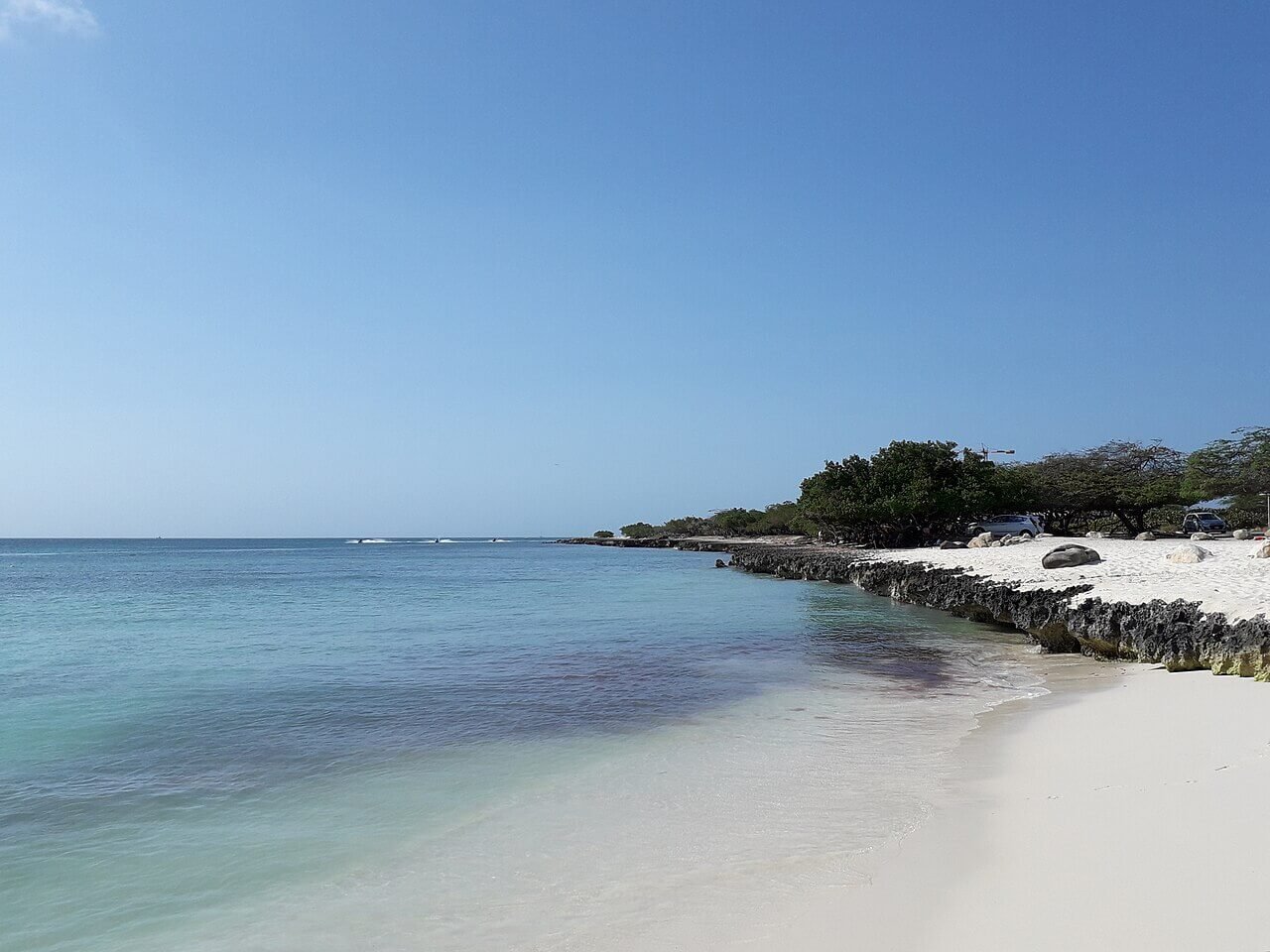
Aruba sits off the coast of South America, south of where most hurricanes travel. Storms rarely make a direct hit here, and it is one of the driest islands in the Caribbean. Steady trade winds blow nearly all year, keeping the heat honest and pushing most rain clouds straight past.
White sand west, wild coast north
The west coast is the postcard side: Eagle Beach and Palm Beach run along calm, clear water with soft white sand. The north and east coasts are the opposite, all rough surf, natural bridges and desert scrub. Rent a car for a day and you can see both Arubas in a few hours. The steady wind also makes sailing and kitesurfing a natural fit here.
Who it suits
Aruba suits beach lovers who want summer weather they can count on, plus anyone nervous about storm season. It is developed and easy, and works as well for a first Caribbean trip as for a honeymoon.
2. Curacao
A city with color, then bays out west
Curacao is Aruba’s bigger neighbor and shares its spot below the main hurricane belt. It splits its charm in two. Willemstad, the capital, is a working port city of pastel Dutch colonial buildings along the harbor. The west coast, called Banda Abou, is a string of small bays tucked between cliffs, each with its own little beach.

Culture plus beaches
Spend a morning walking the Handelskade and the floating pontoon bridge, then drive west for the beaches: Playa Kenepa, Cas Abao and a dozen smaller coves. The water on this coast is calm and clear, good for snorkeling straight off the sand. Add the island’s museums, its famous liqueur distillery and a food scene shaped by Dutch, Caribbean and Latin kitchens, and rainy day plans take care of themselves.
Who it suits
Curacao suits travelers who want more than a beach chair. If you like a real town to wander and a new bay to swim in every day, this is your island of the three.
3. Bonaire
The quiet one of the trio
Bonaire is the smallest and sleepiest of the southern three, and it likes it that way. There is no big resort strip and no rush. Kralendijk, the little capital, is a few quiet streets of low buildings, dive shops and cafes along the water. Like its neighbors, Bonaire sits below the main hurricane belt, so summer weather is steady and dry.
Diving from the shore
Bonaire is famous among divers for one simple reason: you can walk into the sea almost anywhere along the west coast and be over a reef in minutes. The whole shoreline is a protected marine park, marked dive sites line the coast road, and trucks loaded with tanks are a normal sight. Snorkelers get plenty too, and the little uninhabited island of Klein Bonaire, a short boat ride away, has some of the clearest water of all.
Flamingos, salt and slow days
The south of the island is flat, pink and strange in the best way: huge salt pans, white salt pyramids, and flamingos feeding in the shallow lakes. A loop drive down there, past the old slave huts and the windsurf bay at Lac Bay, fills an easy afternoon. Who it suits: divers first, then anyone after the quietest, slowest version of the southern Caribbean.
4. Barbados
East of the chain, storms less often
Barbados sits out on its own, east of the main island chain. Hurricanes pass through the region every year, but the island’s position means direct hits are less frequent than in the northern Caribbean. It is not storm proof, and we will not call it that. It is a reasonable bet with open eyes, and summer is also when the island parties hardest, with its big summer festival season running through the early summer weeks.
Two coasts, two moods
The west coast faces the calm Caribbean Sea, all gentle water and beach bars. The east coast faces the open Atlantic, where the surf rolls in at spots like Bathsheba and surfers gather year round. In between sit rum distilleries, plantation houses and some of the best eating in the region.
Who it suits
Barbados suits travelers who want a lively island with real towns and history, not just a resort gate. Go in summer for the festival energy and low season rates, keep bookings flexible, and check the forecast before you fly.
5. Puerto Rico
No passport, no currency swap
For U.S. travelers, Puerto Rico is the easiest trip on this list. It is a U.S. territory, so you fly in on a domestic flight with no passport, pay in dollars, and use your normal phone plan. Old San Juan is the jewel: blue cobblestone streets, pastel buildings, and two huge stone forts guarding the bay.

Rainforest and glowing bays
Beyond the capital, El Yunque rainforest gives you waterfalls and green trails under an hour from the city, and the island is known for its bioluminescent bays, where the water lights up at night, most famously on Vieques. Beaches run from the city strip in Isla Verde to the surf town of Rincon on the west coast.
The honest caveat
Puerto Rico sits squarely in the hurricane zone. Summer trips here go well most years, but a storm can change everything with little warning. Book rates you can change or cancel, take travel insurance that covers weather disruption, and keep a loose plan for your first days. With those boxes ticked, it is a strong summer pick for Americans.
6. Dominican Republic
Punta Cana, the value pick
The Dominican Republic is the Caribbean’s big resort machine, and Punta Cana on the east coast is its center. Long beaches, huge all inclusive resorts, and summer rates that drop well below winter prices. Summer is low season here, so this is where a fixed budget stretches furthest, and where families can afford the big resort with the water park.
Beaches and easy excursions
Days run on resort time: beach, pool, buffet, repeat. When you want more, boat trips head to Saona Island’s shallow natural pool, and Santo Domingo holds the oldest European city streets in the Americas for a long day trip.
The honest caveat
Like Puerto Rico, the Dominican Republic sits in the hurricane zone, and its east coast has taken direct hits in the past. The low summer prices are the trade for that risk. Protect the trip the same way: flexible or refundable bookings where you can get them, solid travel insurance, and a forecast check before you fly. If a named storm aims at the island, plans change, and that has to be fine before you book.
7. The Caribbean in summer at a glance
| Destination | Best for | Summer note |
|---|---|---|
| Aruba | Dependable beach weather | Below the hurricane belt, dry and windy |
| Curacao | Culture plus beach hopping | Below the belt, calm west coast bays |
| Bonaire | Diving and quiet days | Below the belt, steady and dry |
| Barbados | Festivals, food, surfing | East of the main chain, storms less frequent |
| Puerto Rico | Easy U.S. trip, history | In the hurricane zone, book changeable rates |
| Dominican Republic | Resort value in low season | In the hurricane zone, lowest summer prices |
8. Hurricane season, honestly
How the season works
The Atlantic hurricane season runs from June to November, and the busiest stretch is usually late summer into early fall, roughly August to October. Most weeks in most places are completely fine. Storms are not a daily threat; they are a low chance, high impact event, and a trip is far more likely to meet brief tropical showers than a named storm.
Why the south is the safe bet
Hurricanes mostly travel through the warmer waters of the central and northern Caribbean. Aruba, Bonaire and Curacao sit far south, close to the South American coast, outside that path. When our team checks summer listings for readers, the island’s spot on the map is the first thing we look at, well before the pool photos.
Protect any summer trip
Wherever you choose, three habits keep summer risk small. Book flights and rooms you can change or cancel without a big penalty. Take travel insurance that covers trip interruption for weather, and read what it actually pays for. Then watch the forecast in the week before you fly, so a developing storm is news you act on early, not a surprise at the airport.
9. Where to stay and how to book
Pick your area first
On Aruba, choose between the high rise strip at Palm Beach and the quieter low rise stretch of Eagle Beach. On Curacao, stay near Willemstad for town life or out west for the bays. Bonaire stays are mostly small inns, dive resorts and apartments. Barbados splits between the calm west and the livelier south. In Puerto Rico, Old San Juan is for history, Isla Verde for beach. In Punta Cana, the resort is the destination.
Read the storm policy, not just the score
When our team verifies a listing in the Caribbean, we read the cancellation terms twice for summer dates, and the recent reviews once for how the place handled the last big rain. A property that answers storm questions clearly in its reviews is worth more than a perfect score from winter guests. Before you pay for summer dates anywhere in this guide, take a few minutes to compare Caribbean hotels and read recent reviews for the areas on your shortlist.
Book the flexible version
Our own site focuses on the United States, where we hand check hotels with a jacuzzi in the room, and the habit that matters most there travels south too: the details in the small print decide how a booking feels when plans change. For summer in the Caribbean, pay a little more for the changeable rate when the island sits in the storm zone. On the southern islands, standard rates are a safer gamble, but flexible is never a bad idea.
10. The Caribbean summer checklist
- For weather you can count on, pick Aruba, Bonaire or Curacao.
- For Puerto Rico or Punta Cana, book rates you can change or cancel.
- Take travel insurance that covers weather disruption, and read the terms.
- Check the forecast in the week before you fly.
- Plan beach days early, and hold an indoor or town plan for wet afternoons.
- Pack reef safe sunscreen, a light rain layer and a dry pouch for your phone.
- Leave one loose day in the plan in case weather moves things around.
- Read the most recent reviews before you book, not just the overall score.
11. Frequently Asked Questions
Is the Caribbean good to visit in the summer?
Yes, if you pick the right islands and go in with open eyes. The southern islands below the hurricane belt have reliable, dry weather all summer. Further north it is low season, which means lower prices, warm seas and brief showers, with a small storm risk you manage with flexible bookings and insurance.
Which Caribbean islands are safest from hurricanes in summer?
Aruba, Bonaire and Curacao. They sit in the far south of the Caribbean, below the main hurricane belt, and direct hits are rare. Barbados, sitting east of the main island chain, also sees storms less often than the northern islands, though it is not storm free.
When is hurricane season in the Caribbean?
The season runs from June to November, with the highest risk usually from August to October. That still leaves most summer weeks storm free across the region, and the southern islands outside the main belt are barely affected in most years.
Is the Caribbean cheaper in summer?
Generally, yes. Summer is low season on most islands, so room rates and resort packages drop, sometimes a lot in the big resort areas like Punta Cana. The southern islands stay steadier in price because their weather holds up, but even there, summer is rarely peak pricing.
What should I pack for a Caribbean summer trip?
Light clothes and swimwear are the base. Add reef safe sunscreen, a light rain jacket, a dry pouch for your phone and documents, and a spare set of clothes in case a shower catches you. On the windy southern islands, a hat that ties on is worth the space.
12. Final Thoughts
- Summer is hurricane season for most of the Caribbean. Plan for it, do not fear it.
- Aruba, Bonaire and Curacao sit below the belt and stay dry and calm.
- Barbados is a fair bet further east, with festival season as a bonus.
- Puerto Rico and Punta Cana trade storm risk for easy travel and low prices.
- Flexible rates plus travel insurance turn the risk into a small one.
Ready to put it together? Shortlist your island, check your dates, then check Caribbean hotels for your travel dates while summer rates are still low. Pick the right part of the map, keep the plans flexible, and summer might be the smartest time to see the Caribbean.
The BookingFlyNHotel Team. We hand-verify hotels with a private jacuzzi or hot tub in the room: 13,000+ listings across all 50 states.