Quick answer: For a summer trip, head to the Gulf of Thailand. Koh Samui, Koh Phangan and Koh Tao get their driest stretch of the year while much of the country is in monsoon season. Bangkok and Chiang Mai still work well if you plan around short, heavy showers, and the Andaman coast around Krabi is the wettest side, so go there with flexible plans.
If you are picking the best destinations to visit in Thailand for the summer, start with one honest fact: summer is monsoon season. That is not a reason to stay home. Rain usually falls in short, heavy bursts rather than all day washouts, the hills turn deep green, and the crowds that pack the islands in winter thin out a lot.
This guide walks through the six places that work best from June to September, from the dry Gulf islands to city breaks that shrug off the rain, plus a simple way to plan each day around the showers. It joins our summer series alongside our guides to the best destinations to visit in Bali for the summer and the best destinations to visit in Costa Rica for the summer.
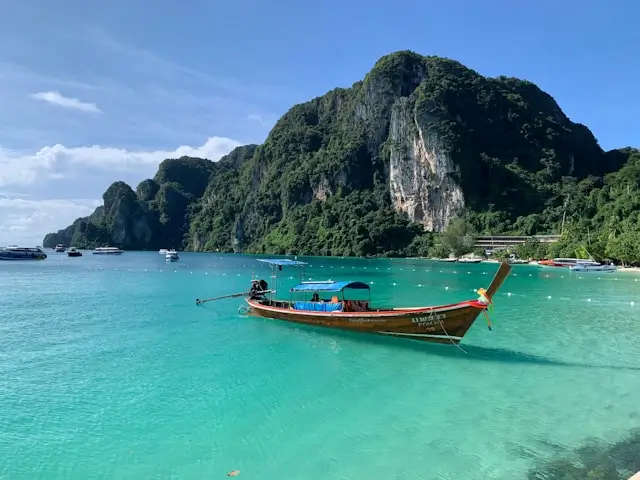
1. Koh Samui
The summer safe bet on the Gulf side
Koh Samui sits on the Gulf of Thailand, where the rainy season runs on a different clock. While the Andaman coast takes the southwest monsoon head on, Samui’s heaviest rain usually waits until later in the year. Summer days here are often sunny, with a short shower passing through now and then rather than settling in.
What to do in summer
Base yourself near Chaweng for the longest, liveliest beach, or around Bophut and its Fisherman’s Village for a quieter evening scene. Spend a morning at the Big Buddha temple while it is still cool, take a boat trip to the Ang Thong Marine Park on a calm day, and save beach clubs and long lunches for the lazy middle of the day. If a shower does roll in, it rarely lasts long enough to spoil the plan.
Who it suits
Samui is the easy default for a first summer island trip. It has an airport, a full range of places to stay, and enough to do on a grey morning that one slow day never feels wasted.

2. Koh Phangan and Koh Tao
Quieter islands, same kind weather
A short ferry ride from Samui, Koh Phangan shares the Gulf side’s summer advantage. Most visitors know it for the full moon parties on Haad Rin, but the north and west coasts are a different island entirely: quiet beaches, small bays, and a well known yoga and wellness scene around Sri Thanu. Go for the slow version and summer suits it well.
Diving and snorkeling season
Tiny Koh Tao, the next ferry stop, is one of the most popular places in the world to learn to dive, and summer is a good season for it on the Gulf side. Seas are calmer than on the Andaman coast in these months, visibility is often decent, and the snorkeling bays around the island are easy to reach. Book boat days with a little flexibility, because even the Gulf gets the odd rough day.
Who it suits
These two islands suit divers, snorkelers, and travelers who want island life at a slower pace than Samui. Many summer trips pair a few nights on each island, using the ferries that hop between them.
3. Bangkok
A city break that works in any weather
Bangkok is hot and humid in summer, and it will rain on you at some point. It also has more indoor life than anywhere else in the country, which makes it the easiest rainy season stop of all. Almost every Thailand trip starts or ends here anyway, so give it two or three days and plan them loosely.
Temples early, rain plans later
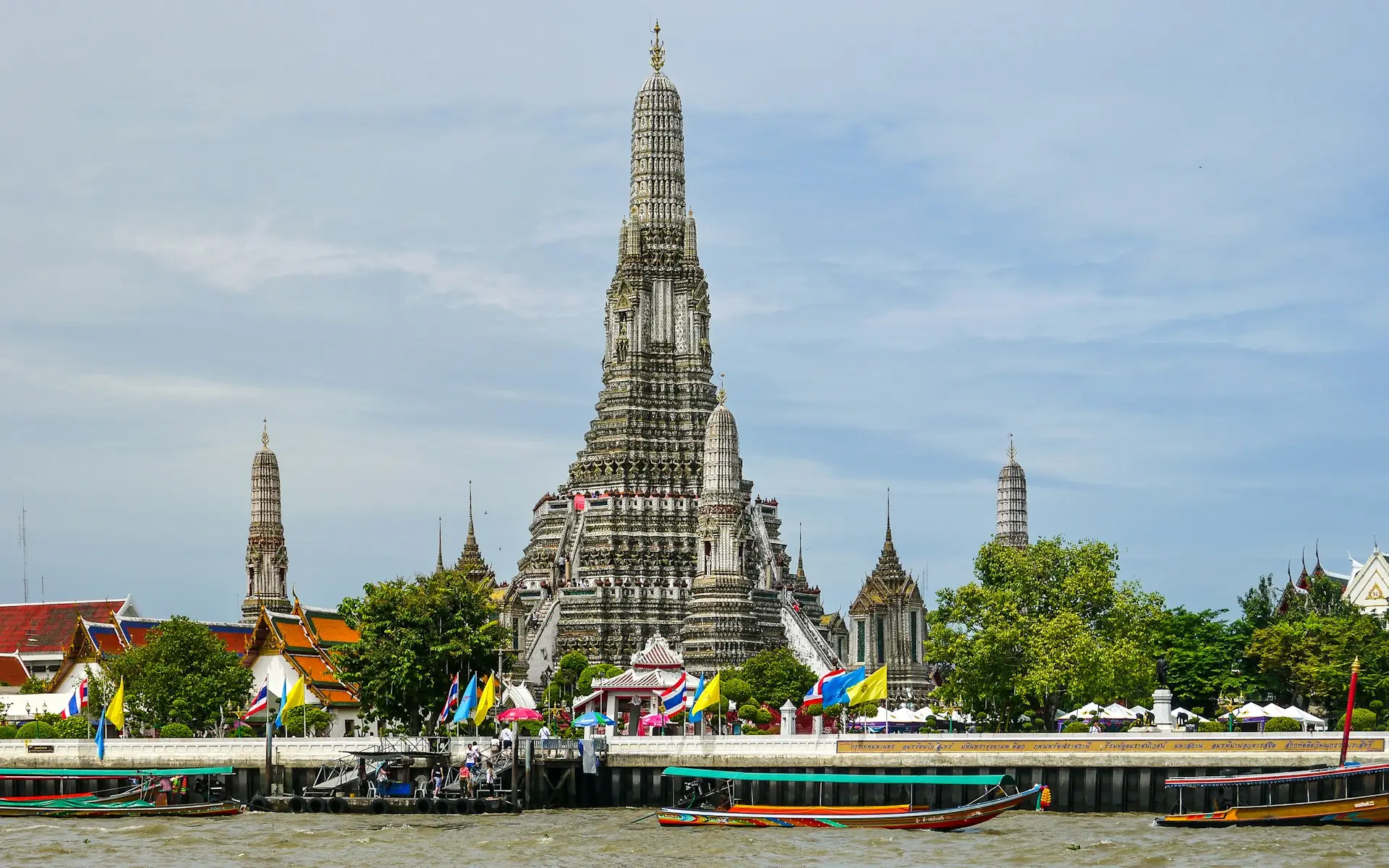
See the Grand Palace, Wat Pho and Wat Arun in the morning, when it is cooler and usually drier. When the afternoon rain arrives, switch to the city’s deep bench of backups: huge malls, the Jim Thompson House, museums, food halls, a cooking class, or a long Thai massage. The Skytrain and metro keep you moving above the puddles, and a taxi ride across town in a downpour is its own small adventure.
Who it suits
Bangkok suits food lovers, short stays, and anyone who wants culture and city energy without depending on the sky. In summer it pairs naturally with a Gulf island: city first, beach after.
4. Chiang Mai
The green north
Up in the northern hills, summer is green season. The rice fields are at their brightest, the forests are lush, and the waterfalls in the hills around the city run strong after the rains. Yes, it rains here too, often in the afternoon, but the temperatures are a touch kinder than in Bangkok and the pace is slower.
Old city days
Spend your mornings in the old city, where Wat Chedi Luang and Wat Phra Singh sit a short walk apart, and ride up to Wat Phra That Doi Suthep above the city on a clear morning for the view. Save the night markets, the Sunday Walking Street, cafes and cooking classes for later in the day, when a shower is more likely and nobody minds ducking inside.
Who it suits
Chiang Mai suits travelers who like temples, markets and mountain scenery more than beaches. It is also the best base in this list for a longer, slower stay, with day trips into the hills on the dry days.
5. Hua Hin
An easy beach break from the capital
Hua Hin is the classic Bangkok weekend escape, a few hours away by road or train on the Gulf coast. There is a long, walkable beach, busy night markets, and a seafood scene that draws Thai families from the capital. It has been a royal resort town for a century, and it still feels calm and local next to the big island resorts.
A drier pocket on the Gulf coast
Because it sits on the Gulf side and is partly sheltered, Hua Hin is known as one of the drier beach options near Bangkok during the summer months. It is not a guarantee, and you should still expect some rain, but for a short beach break without a flight or a ferry, it is the simplest choice on this list.
Who it suits
Hua Hin suits families, golfers, and anyone finishing a trip with a couple of easy beach days near the airport. It will not wow island lovers, but it rarely disappoints either.
6. Krabi and Ao Nang
Beautiful, but go with eyes open
Krabi province holds some of Thailand’s most famous scenery: limestone cliffs, the Railay peninsula, and boat trips out to the Phi Phi islands. It also sits on the Andaman coast, which takes the full southwest monsoon in summer. Seas can be rough, some boat tours are cancelled on rough days, and a few smaller islands rest during these months.
What still works in the rain
Plenty, if you stay flexible. Railay’s viewpoints and beaches are dramatic between showers, the cliffs turn deep green, and inland trips to the Emerald Pool and the hot springs do not depend on the sea at all. Ao Nang makes a practical base, with lots of places to eat and tour shops that will happily move your boat day to a calmer morning.
Who it suits
Choose Krabi in summer if the scenery matters more to you than a packed beach schedule, and if you can give boat trips a day or two of wiggle room. If calm seas are the whole point of your trip, pick the Gulf side instead and save Krabi for winter.
7. Thailand in summer at a glance
| Destination | Best for | Summer note |
|---|---|---|
| Koh Samui | First island trip, beach days | Driest side in summer, brief showers |
| Koh Phangan and Koh Tao | Diving, snorkeling, quiet beaches | Good Gulf season, calmer seas most days |
| Bangkok | Food, temples, short stays | Hot with short heavy showers, easy indoor plans |
| Chiang Mai | Culture, hills, slower pace | Green season, rain fed waterfalls |
| Hua Hin | Easy beach break from Bangkok | One of the drier Gulf pockets |
| Krabi and Ao Nang | Scenery lovers with flexible plans | Wettest side, boats weather dependent |
8. How to plan around the rain
Mornings are gold
The most common rainy season pattern is a bright morning and a heavy shower that builds in the afternoon or early evening. Work with it instead of against it. Put boat trips, temples, waterfalls and beach time early in the day, and keep afternoons loose for markets, cafes and indoor plans. Travelers who fight the pattern spend their trip annoyed at the sky; travelers who use it barely notice the season.
One indoor backup per day
For every outdoor plan, hold one indoor backup in mind: a cooking class, a museum, a market hall, a massage, a mall with a food court worth the trip alone. When we plan hotel checks in rainy season, we use the same trick. A day built with a backup never feels rained off, it just feels well planned.
Pack light, stay flexible
Bring a light rain jacket, sandals or shoes that can get wet, and a dry bag or zip pouch for your phone. Keep ferry and boat days movable where you can, and avoid booking a tight flight connection on the same morning as a ferry crossing. Summer travel in Thailand rewards a loose schedule more than any packing trick.
9. Where to stay and how to book
Pick your area first
Area matters more in rainy season. On Samui, Chaweng puts you near the action while Bophut is quieter at night. In Bangkok, stay near a Skytrain or metro station so a downpour never strands you. In Chiang Mai, the old city and its edges keep temples, markets and cafes within walking distance.
Read the newest reviews, not just the score
When our team verifies a hotel listing, we read the most recent reviews first, and we suggest you do the same for a summer booking. A review written during rainy season tells you how a place handles wet days: flooded paths, leaky corners, staff who help or shrug. That is worth more than a year old review from the driest week of winter.
Book with a little flexibility
Summer is a season when plans move, so favor bookings you can shift or cancel if the weather turns. Before you pay, take a few minutes to compare Thailand hotels and read recent reviews for the areas on your shortlist. Our own site focuses on the United States, where we hand check hotels with a jacuzzi in the room, and the habit travels well: check the details before you pay, not after you arrive.
10. The Thailand summer checklist
- Pick the Gulf side for island time: Samui, Phangan, Tao.
- Give Bangkok and Chiang Mai two or three days each, with indoor plans ready.
- Schedule outdoor activities for the morning.
- Hold one indoor backup for every day.
- Keep boat and ferry days flexible.
- Pack a light rain jacket, wet friendly shoes and a dry bag.
- Stay near a station in Bangkok, near the old city in Chiang Mai.
- Read the most recent reviews before you book.
- Leave one spare day in the plan for weather.
11. Frequently Asked Questions
Is Thailand worth visiting in the summer?
Yes, if you pick the right places. The Gulf islands get their driest weather of the year, the north is green and lush, and the crowds are far smaller than in winter. You trade some rain for a calmer, greener version of the country.
Which side of Thailand has better weather in summer, the Gulf or the Andaman coast?
The Gulf side, clearly. Koh Samui, Koh Phangan and Koh Tao sit out the worst of the southwest monsoon, while the Andaman coast around Krabi and Phuket gets the heaviest rain and the roughest seas of the year.
What is the best Thai island for a summer trip?
Koh Samui is the safest all round choice, with the easiest access and the most to do on a slow day. Pick Koh Tao if diving is your main goal, and Koh Phangan if you want quiet beaches and a slower pace.
How many days do you need in Thailand in summer?
Ten days to two weeks works well: two or three days in Bangkok, four or five on a Gulf island, and a few in Chiang Mai if you want the north too. Add a spare day somewhere, because rainy season plans sometimes slide by a day.
What should I pack for Thailand in the rainy season?
Light, quick drying clothes, a light rain jacket, and sandals or shoes you do not mind getting wet. Add a dry bag for your phone and documents, and a small umbrella you can buy locally if you need one. Heavy waterproof gear is overkill for short, warm showers.
12. Final Thoughts
- Summer in Thailand is monsoon season, not a closed season.
- The Gulf islands are the safe bet; the Andaman coast is the gamble.
- Bangkok and Chiang Mai work in any weather if you plan mornings well.
- Rain usually falls in short bursts. Build the day around it.
- Fewer crowds and green scenery are the quiet rewards of going now.
Ready to put it together? Shortlist your areas, then check Thailand hotels for your travel dates while summer rooms are still easy to find. Pick your coast, plan around the rain, and a summer trip to Thailand might become your favorite way to see the country.
The BookingFlyNHotel Team. We hand-verify hotels with a private jacuzzi or hot tub in the room: 13,000+ listings across all 50 states.