

Bali, often referred to as the “Island of the Gods,” transforms into an even more enchanting paradise during its dry season, which perfectly aligns with the Northern Hemisphere’s summer months. From April to October, Bali boasts abundant sunshine, lower humidity, and calm seas, creating ideal conditions for exploring its diverse landscapes and vibrant culture. This period, especially June, July, and August, is considered peak tourist season, drawing visitors from around the globe seeking unforgettable experiences. In 2025, Bali welcomed nearly 7 million international visitors, with Australia, India, and China being the top source markets.
Introduction: Your Ultimate Bali Summer Escape

Image Credit: AI Generated
Imagine waking up to bright sunshine, spending your days exploring stunning coastlines or cultural wonders without worrying much about rain, and ending with breathtaking sunsets. This is the allure of a Bali summer escape. The dry season provides consistently clear skies, warm temperatures ranging from 20°C to 31°C, and refreshing breezes, making it perfect for both relaxation and adventure. While July and August are the busiest, June and September offer similar fantastic weather with potentially fewer crowds and lower prices.
Southern Bali’s Allure: Beaches, Surf, and Lively Vibes
Southern Bali is the island’s most dynamic region, known for its iconic beaches, world-class surf breaks, and bustling nightlife. During the dry season, the west coast beaches like Kuta, Legian, Seminyak, and Canggu offer consistent surf swells and favorable offshore winds, making them a surfer’s paradise.
Popular Beach Destinations in Bali

Image Credit: AI Generated
Bali is home to some of the world’s most beautiful beaches, each offering a unique atmosphere, activities, and scenery. Whether you’re looking for vibrant nightlife, world-class surfing, luxury resorts, or peaceful stretches of sand, there’s a beach destination that suits every type of traveler.
Kuta Beach
Kuta Beach is one of Bali’s most famous and busiest coastal destinations. Located just minutes from the airport, it has long attracted visitors with its wide golden sands, consistent waves, lively nightlife, and affordable accommodations. The beach is ideal for first-time visitors who want easy access to restaurants, shopping malls, beach bars, and entertainment.
The gentle sandy shoreline also makes Kuta a popular place for beginner surfers and families looking to enjoy a classic beach day.
Highlights
- Wide stretch of soft golden sand
- Excellent beginner-friendly surfing conditions
- Beautiful sunset views
- Bustling nightlife with bars and clubs
- Plenty of shopping centers and local markets
- Numerous budget hotels and hostels
Best For
- First-time Bali visitors
- Budget travelers
- Beginner surfers
- Families
- Travelers who enjoy nightlife
Pros
- Excellent location near Bali’s international airport
- Wide range of accommodation for every budget
- Great surf schools and equipment rentals
- Plenty of restaurants, cafés, and shopping options
- Spectacular sunsets almost year-round
Cons
- Can become extremely crowded, especially during peak season
- Heavy traffic around the area
- Beach vendors may frequently approach visitors
- Water quality occasionally declines during the rainy season
Seminyak
Seminyak offers a more sophisticated beach experience compared to neighboring Kuta. Known for luxury resorts, trendy beach clubs, gourmet restaurants, designer boutiques, and stylish cafés, it attracts travelers looking for comfort, relaxation, and upscale entertainment.
The beach itself is wide and beautiful, making it perfect for sunset walks, lounging by the ocean, or enjoying cocktails at famous beachfront venues.
Highlights
- Luxury beach clubs
- Fine dining restaurants
- Boutique shopping
- High-end resorts and villas
- Relaxed yet fashionable atmosphere
- Gorgeous sunset scenery
Best For
- Couples
- Luxury travelers
- Honeymooners
- Food lovers
- Digital creators
Pros
- Clean and attractive beachfront
- Excellent selection of luxury accommodations
- Outstanding restaurants and cafés
- Vibrant nightlife without feeling overly chaotic
- Fantastic sunset beach clubs
Cons
- More expensive than many other Bali destinations
- Traffic congestion during busy hours
- Limited parking near popular venues
- Accommodation fills quickly during holidays
Canggu
Canggu has rapidly become one of Bali’s trendiest beach destinations. Famous for its laid-back atmosphere, surf culture, coworking spaces, and creative community, it is particularly popular among digital nomads, remote workers, and younger travelers.
Beyond surfing, Canggu features countless specialty coffee shops, healthy cafés, yoga studios, boutique hotels, and lively beach clubs. The area blends traditional Balinese charm with a modern international lifestyle.
Highlights
- Excellent surfing beaches
- Vibrant café culture
- Popular coworking spaces
- Yoga and wellness centers
- Beachfront nightlife
- Rice field scenery surrounding the town
Best For
- Digital nomads
- Intermediate surfers
- Young travelers
- Solo travelers
- Remote workers
Pros
- Strong surfing community
- Large selection of cafés and restaurants
- Relaxed and creative atmosphere
- Plenty of boutique accommodations
- Active social scene
Cons
- Increasing traffic congestion
- Beaches can become crowded during sunset
- Black volcanic sand may not appeal to everyone
- Accommodation prices have risen significantly
Nusa Dua
Nusa Dua is one of Bali’s most luxurious and peaceful coastal areas. Designed primarily as a resort enclave, it features beautifully maintained beaches, calm turquoise waters, landscaped gardens, and world-class hotels.
Unlike many surfing beaches in Bali, Nusa Dua’s protected coastline creates calm swimming conditions, making it ideal for families with children and travelers seeking relaxation. During the dry season, the water is exceptionally clear, offering excellent opportunities for snorkeling and water sports.
Highlights
- Crystal-clear water
- Calm swimming beaches
- Luxury beachfront resorts
- Family-friendly environment
- Beautiful walking paths
- Water sports activities
Best For
- Families
- Couples
- Luxury vacations
- Honeymooners
- Relaxation seekers
Pros
- One of Bali’s cleanest beaches
- Safe swimming conditions
- Quiet and peaceful atmosphere
- Premium resort facilities
- Beautiful landscaped surroundings
Cons
- Higher accommodation and dining costs
- Limited nightlife compared to Kuta or Seminyak
- Less authentic local atmosphere
- Resort-focused environment may feel secluded
Jimbaran Beach
Jimbaran Beach combines traditional Balinese charm with modern luxury. Once a quiet fishing village, it has become famous for its long sandy beach, calm waters, and iconic seafood restaurants where diners enjoy freshly grilled fish while watching spectacular sunsets.
The beach offers a more relaxed atmosphere than Kuta while remaining conveniently close to the airport. Early mornings provide opportunities to see local fishermen returning with their daily catch, while evenings come alive with candlelit tables set directly on the sand.
Highlights
- Famous beachfront seafood restaurants
- Calm waters for swimming
- Romantic sunset dining
- Luxury resorts and spas
- Local fishing village atmosphere
- Family-friendly beach
Best For
- Couples
- Food lovers
- Families
- Honeymooners
- Relaxing beach vacations
Pros
- Incredible seafood dining experiences
- Peaceful atmosphere compared to Kuta
- Beautiful sunset views
- Calm and shallow waters
- Convenient location near the airport
Cons
- Seafood restaurants can be expensive
- Busy during sunset dinner hours
- Limited nightlife options
- Some sections become crowded during peak tourist season
Which Bali Beach Is Right for You?
| Beach Destination | Best For | Atmosphere |
|---|---|---|
| Kuta Beach | First-time visitors, surfers, nightlife | Lively and energetic |
| Seminyak | Luxury travelers, couples | Stylish and upscale |
| Canggu | Digital nomads, surfers | Trendy and relaxed |
| Nusa Dua | Families, honeymooners | Quiet and luxurious |
| Jimbaran Beach | Food lovers, couples | Peaceful and romantic |
Iconic Cliffside Views and Temples in Bali
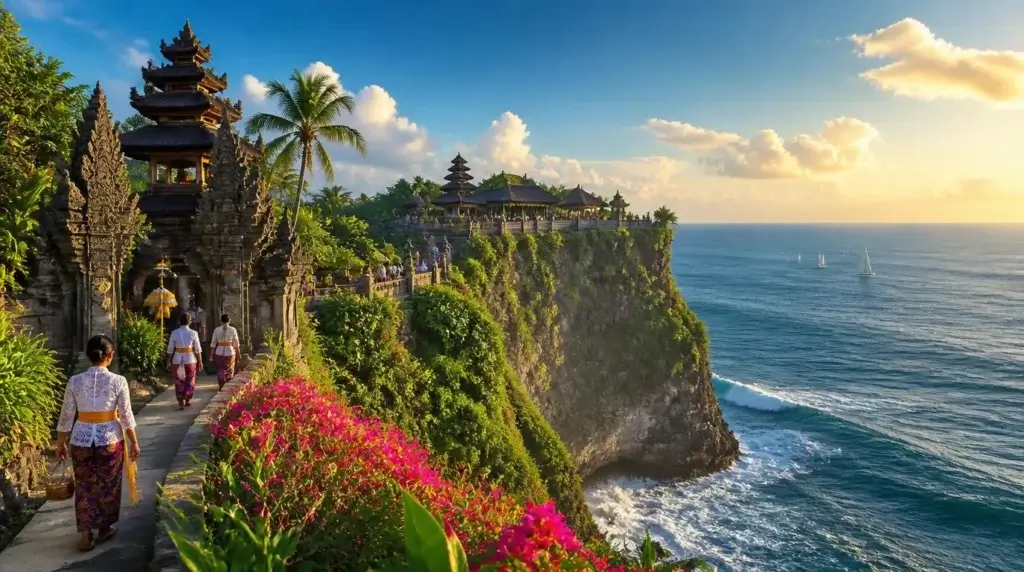
Image Credit: AI Generated
The Bukit Peninsula in southern Bali is famous for its breathtaking limestone cliffs, turquoise ocean views, hidden beaches, and ancient sea temples. This region offers some of the island’s most dramatic scenery, making it a must-visit destination for photographers, surfers, couples, and anyone looking to experience Bali’s natural beauty beyond its famous rice terraces.
From towering cliffside temples overlooking the Indian Ocean to secluded beaches tucked beneath rocky cliffs, the Bukit Peninsula showcases a quieter and more rugged side of Bali. It’s also one of the best places on the island to witness unforgettable sunsets, especially during the dry season when clear skies create vibrant shades of orange, pink, and purple across the horizon.
Uluwatu Temple
Uluwatu Temple is one of Bali’s six most sacred sea temples and one of the island’s most iconic landmarks. Dramatically perched on a towering limestone cliff approximately 230 feet (70 meters) above the Indian Ocean, the temple offers panoramic coastal views that attract thousands of visitors every day.
Dating back to the 11th century, the temple is dedicated to protecting Bali from evil sea spirits and remains an active place of worship for local Hindus. Visitors come not only for its cultural importance but also for its spectacular cliff-top setting and legendary sunsets.
As evening approaches, the temple becomes even more magical with the famous Kecak Fire Dance, where dozens of performers create rhythmic chanting while reenacting scenes from the Ramayana against the backdrop of the setting sun.
Highlights
- Ancient Balinese sea temple
- Stunning 230-foot cliff overlooking the Indian Ocean
- One of Bali’s best sunset viewpoints
- Traditional Kecak Fire Dance performances
- Scenic cliffside walking paths
- Wild monkeys roaming the temple grounds
Best For
- Cultural travelers
- Sunset lovers
- Photographers
- Couples
- History enthusiasts
Pros
- One of Bali’s most spectacular viewpoints
- Rich cultural and spiritual significance
- Incredible sunset photography opportunities
- World-famous Kecak Fire Dance performance
- Well-maintained walking paths along the cliffs
Cons
- Can become extremely crowded before sunset
- Monkeys are known to steal sunglasses, phones, and hats
- Entry fees and dance tickets are separate
- Limited shade during the hottest part of the day
Travel Tip: Arrive at least two hours before sunset to explore the temple grounds before securing a good seat for the Kecak Fire Dance.
Padang Padang Beach
Padang Padang Beach is one of Bali’s most photogenic hidden beaches, made internationally famous after appearing in the movie Eat Pray Love. Despite its relatively small size, the beach captivates visitors with crystal-clear water, soft white sand, and dramatic limestone cliffs surrounding the bay.
One of its most distinctive features is the narrow passage through a natural rock cave that visitors must walk through before reaching the beach. This unique entrance creates a memorable first impression and adds to the beach’s secluded charm.
The calm turquoise waters make it suitable for swimming during favorable conditions, while nearby reefs attract experienced surfers when the waves are larger.
Highlights
- Famous cave entrance through limestone cliffs
- Soft white sand
- Crystal-clear turquoise water
- Featured in Eat Pray Love
- Excellent photography location
- Nearby surfing breaks
Best For
- Couples
- Beach lovers
- Photographers
- Movie fans
- Casual swimmers
Pros
- One of Bali’s most beautiful hidden beaches
- Unique and memorable entrance
- Calm water during favorable tides
- Excellent snorkeling and swimming opportunities
- Stunning natural scenery
Cons
- Small beach becomes crowded quickly
- Limited parking
- Entrance fee required
- Strong waves occasionally make swimming unsafe
Bingin Beach
Bingin Beach is a favorite destination among surfers, photographers, and travelers seeking a quieter alternative to Bali’s busier beaches. Hidden beneath towering limestone cliffs, the beach offers a peaceful atmosphere with rustic cafés, boutique guesthouses, and incredible ocean views.
The descent to the beach involves navigating a series of steep staircases carved into the cliffs, rewarding visitors with pristine waters and one of Bali’s most scenic coastlines.
Bingin is internationally recognized for its consistent reef breaks, attracting experienced surfers from around the world.
Highlights
- Dramatic cliffside scenery
- World-class surf breaks
- Boutique beachfront cafés
- Spectacular sunset views
- Quiet and relaxed atmosphere
- Excellent photography opportunities
Best For
- Surfers
- Couples
- Photographers
- Backpackers
- Nature lovers
Pros
- Less crowded than many popular beaches
- Incredible cliff-top viewpoints
- Charming local cafés overlooking the ocean
- Beautiful sunsets
- Authentic surf culture
Cons
- Steep stairs may be difficult for some visitors
- Limited facilities
- Reef makes swimming challenging during low tide
- Not ideal for young children
Balangan Beach
Balangan Beach is widely regarded as one of the Bukit Peninsula’s hidden gems. Stretching beneath dramatic limestone cliffs, this peaceful beach offers a long ribbon of golden sand, clear blue water, and panoramic ocean views.
The beach is especially popular with photographers due to its elevated cliff viewpoints, while surfers enjoy its reliable reef breaks. During low tide, visitors can explore fascinating tidal pools and coral formations exposed along the shoreline.
Unlike Bali’s busier beaches, Balangan retains a relaxed atmosphere that makes it ideal for spending an entire afternoon by the sea.
Highlights
- Wide golden-sand beach
- Scenic cliff-top viewpoints
- Beautiful coral reefs at low tide
- Popular surf destination
- Peaceful atmosphere
- Excellent sunset location
Best For
- Nature lovers
- Surfers
- Photographers
- Couples
- Travelers seeking quieter beaches
Pros
- Less crowded than many southern Bali beaches
- Stunning panoramic coastal views
- Great for drone and landscape photography
- Interesting reef exploration during low tide
- Relaxed local atmosphere
Cons
- Limited public transportation
- Strong currents during certain tides
- Fewer restaurants and shops nearby
- Swimming conditions vary depending on tides
Which Bukit Peninsula Destination Is Right for You?
| Destination | Best For | Main Attraction |
|---|---|---|
| Uluwatu Temple | Culture lovers, sunset seekers | Cliffside temple and Kecak Fire Dance |
| Padang Padang Beach | Couples, swimmers, photographers | Hidden beach with cave entrance |
| Bingin Beach | Surfers, photographers | Cliff views and world-class waves |
| Balangan Beach | Nature lovers, surfers | Wide beach and reef exploration |
Water Sports and Activities in Southern Bali

Image Credit: AI Generated
Southern Bali is the island’s premier destination for ocean adventures, offering everything from world-class surfing and thrilling water sports to luxurious beach clubs overlooking the Indian Ocean. During the dry season (April to October), calm seas, sunny weather, and excellent underwater visibility create ideal conditions for enjoying Bali’s coastline.
Whether you’re a beginner eager to catch your first wave, an adrenaline seeker looking for high-speed water sports, or a traveler hoping to relax by an infinity pool with a tropical cocktail, Southern Bali offers activities for every type of visitor.
Surfing in Southern Bali
Bali has earned its reputation as one of the world’s top surfing destinations, and Southern Bali is where much of the action takes place. The region offers a wide variety of surf breaks suitable for everyone, from complete beginners to professional surfers chasing legendary reef waves.
Kuta Beach remains the best place for first-time surfers thanks to its sandy bottom and consistent, gentle waves. More experienced surfers head to Canggu, Bingin, Padang Padang, and the famous reef breaks at Uluwatu, where powerful waves attract surfers from around the globe.
Surf schools, equipment rentals, and experienced instructors are widely available, making it easy for visitors to learn or improve their skills.
Popular Surf Spots
- Kuta Beach – Best for beginners and surf lessons
- Canggu – Great for intermediate surfers and longboarders
- Padang Padang – Famous reef break for experienced surfers
- Uluwatu – World-renowned waves for advanced surfers
- Bingin Beach – Consistent reef break with excellent conditions
Best For
- Beginner surfers
- Intermediate surfers
- Professional surfers
- Adventure travelers
- Beach lovers
Pros
- Surf spots for every experience level
- Numerous affordable surf schools
- Reliable waves throughout the dry season
- Vibrant surf community
- Beautiful coastal scenery
Cons
- Reef breaks require experience and caution
- Popular beaches become crowded
- Strong currents at advanced surf locations
- Rental prices vary by location
Water Sports at Tanjung Benoa
Located just north of Nusa Dua, Tanjung Benoa is Bali’s leading destination for water sports. Its calm, protected waters make it the perfect place for families, groups, and adventure seekers to enjoy a wide variety of exciting activities in a safe environment.
Unlike Bali’s surfing beaches, Tanjung Benoa focuses on motorized and recreational water sports, offering experiences suitable for both beginners and experienced participants.
Most operators provide professional instructors, safety equipment, and packages that allow visitors to combine multiple activities in one visit.
Popular Water Sports
- Parasailing
- Jet skiing
- Banana boat rides
- Flying fish
- Donut rides
- Wakeboarding
- Sea walking
- Snorkeling
- Scuba diving
- Glass-bottom boat tours
Best For
- Families
- Groups of friends
- Adventure seekers
- Couples
- First-time water sports enthusiasts
Pros
- Wide variety of activities in one location
- Calm waters suitable for beginners
- Professional instructors and safety equipment
- Family-friendly environment
- Combination activity packages available
Cons
- Activities can become expensive
- Busy during peak tourist season
- Some operators vary in service quality
- Motorized activities may feel crowded
Travel Tip: Compare prices between operators before booking, as package deals often provide better value than purchasing activities individually.
Beach Clubs in Southern Bali
Southern Bali is home to some of Asia’s most famous beach clubs, where visitors can spend an entire day relaxing by infinity pools, enjoying gourmet dining, listening to live DJs, and watching unforgettable sunsets over the Indian Ocean.
These beach clubs combine luxury, entertainment, and beachfront relaxation into one experience. Many offer daybeds, private cabanas, swim-up bars, wellness events, and sunset parties that attract visitors from around the world.
Whether you’re looking for a peaceful afternoon or a lively evening with music and cocktails, Bali’s beach clubs provide an unforgettable coastal experience.
Popular Beach Clubs
- Potato Head Beach Club (Seminyak) – Iconic infinity pool, beachfront dining, and spectacular sunsets.
- Finns Beach Club (Canggu) – Multiple pools, live entertainment, and direct beach access.
- KU DE TA (Seminyak) – Elegant beachfront setting with excellent dining and sunset views.
- Sundays Beach Club (Uluwatu) – Crystal-clear lagoon, kayaking, snorkeling, and a more relaxed atmosphere.
Best For
- Couples
- Luxury travelers
- Groups of friends
- Honeymooners
- Sunset lovers
Pros
- Stunning oceanfront locations
- Infinity pools with panoramic views
- Excellent restaurants and cocktails
- Live music and entertainment
- Comfortable lounges and private cabanas
Cons
- Entry fees or minimum spending requirements at many venues
- Premium food and drink prices
- Popular clubs can become crowded
- Reservations are recommended during holidays
Central Bali’s Cultural and Natural Wonders
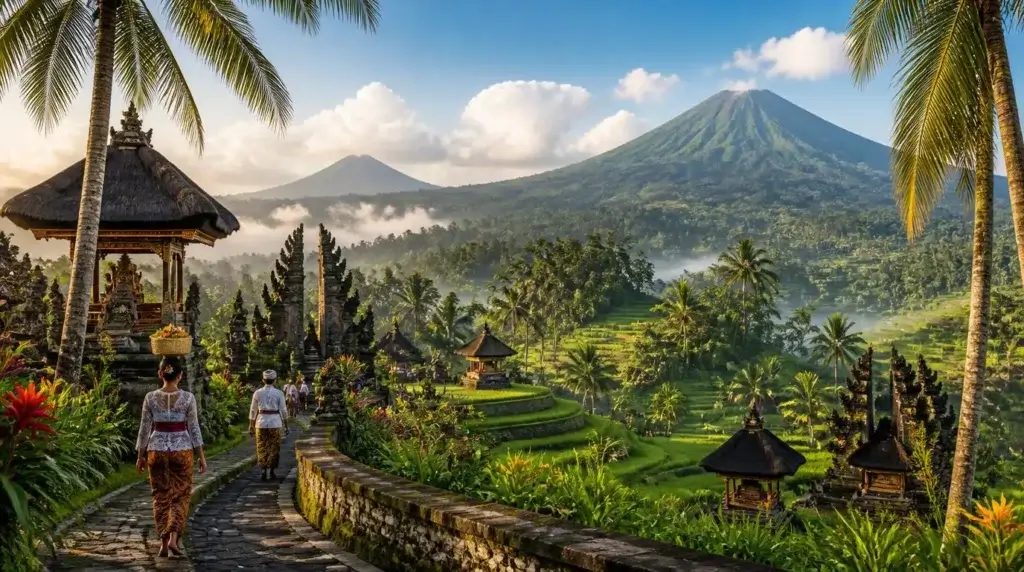
Image Credit: AI Generated
Nestled among lush hills, river valleys, and emerald rice fields, Central Bali offers a completely different experience from the island’s bustling beach towns. At the heart of this region lies Ubud, Bali’s cultural capital, where centuries-old traditions blend seamlessly with wellness retreats, artisan workshops, sacred temples, and breathtaking natural landscapes.
Thanks to its higher elevation, Central Bali enjoys temperatures that are typically 4–5°C (7–9°F) cooler than the southern coastline, making it an ideal escape from Bali’s tropical heat. Visitors come here to reconnect with nature, immerse themselves in Balinese culture, practice yoga and meditation, and discover some of the island’s most iconic attractions.
Whether you’re wandering through ancient temples, hiking scenic ridges, exploring world-famous rice terraces, or relaxing in a jungle café, Central Bali offers an unforgettable journey into the island’s spiritual and artistic soul.
Ubud – The Cultural Heart of Bali
Ubud is widely regarded as Bali’s cultural and artistic center. Surrounded by tropical forests, rivers, waterfalls, and rice terraces, the town has long attracted artists, writers, spiritual seekers, and travelers looking for a slower, more meaningful pace of life.
Unlike Bali’s coastal destinations, Ubud focuses on culture, wellness, and nature rather than beaches. Visitors can enjoy traditional dance performances, explore local art galleries, participate in Balinese cooking classes, visit artisan villages, practice yoga, or unwind at luxurious jungle resorts and wellness retreats.
The town also serves as the perfect base for exploring many of Central Bali’s most famous attractions.
Highlights
- Rich Balinese culture and traditions
- Yoga and meditation retreats
- Art galleries and museums
- Traditional markets
- Luxury jungle resorts
- Scenic rice fields and river valleys
Best For
- Couples
- Wellness travelers
- Solo travelers
- Culture enthusiasts
- Nature lovers
Pros
- Rich cultural experiences
- Cooler climate than coastal Bali
- Excellent wellness and spa facilities
- Outstanding cafés and healthy restaurants
- Easy access to nearby attractions
Cons
- Popular attractions can become crowded
- Traffic congestion during peak hours
- Accommodation prices vary significantly
- No beaches nearby
Sacred Monkey Forest Sanctuary
The Sacred Monkey Forest Sanctuary is one of Ubud’s most visited attractions and an important spiritual site for the local community. Covering over 12 hectares of lush tropical forest, the sanctuary is home to more than a thousand long-tailed macaques that roam freely among towering banyan trees, moss-covered statues, and ancient temple ruins.
Beyond its famous monkeys, the sanctuary plays an important role in Balinese Hindu culture by preserving sacred temples and protecting the surrounding ecosystem.
Visitors can wander along shaded pathways while observing the monkeys in their natural habitat and admiring centuries-old architecture surrounded by dense jungle.
Highlights
- Hundreds of free-roaming macaques
- Ancient Hindu temples
- Towering banyan trees
- Beautiful jungle walking trails
- Intricate stone carvings
- Peaceful natural surroundings
Best For
- Families
- Wildlife lovers
- Nature photographers
- Culture enthusiasts
Pros
- Unique blend of wildlife and culture
- Beautiful forest scenery
- Excellent photography opportunities
- Convenient location in central Ubud
- Educational and family-friendly
Cons
- Monkeys may grab food, sunglasses, or loose items
- Can become crowded during midday
- Humid walking conditions
- Visitors should avoid feeding or provoking the monkeys
Travel Tip: Secure your belongings and avoid carrying visible snacks, as the monkeys are curious and may try to investigate bags or pockets.
Tegalalang Rice Terraces
The Tegalalang Rice Terraces are among Bali’s most photographed landscapes and showcase the island’s traditional Subak irrigation system, a centuries-old farming practice recognized by UNESCO as part of Bali’s cultural heritage.
The terraces cascade down steep hillsides, creating layers of vibrant green rice fields that change with the growing seasons. Visitors can walk along narrow pathways through the terraces, enjoy panoramic viewpoints, or relax at nearby cafés overlooking the valley.
Early mornings provide cooler temperatures, softer lighting, and fewer visitors, making this the ideal time for sightseeing and photography.
Highlights
- Iconic terraced rice fields
- UNESCO-recognized cultural landscape
- Scenic walking paths
- Popular jungle swings
- Panoramic viewpoints
- Traditional Balinese farming
Best For
- Photographers
- Nature lovers
- Couples
- Hikers
- Cultural travelers
Pros
- One of Bali’s most iconic landscapes
- Incredible sunrise photography
- Easy day trip from Ubud
- Beautiful cafés overlooking the terraces
- Rich agricultural history
Cons
- Crowded during peak hours
- Some attractions charge additional fees
- Steep walking paths
- Hot during midday
Campuhan Ridge Walk
The Campuhan Ridge Walk is one of Ubud’s most peaceful outdoor attractions. This scenic 2-kilometer paved trail winds along a ridge overlooking lush jungle valleys, rolling hills, and tropical vegetation, offering a refreshing escape from the busy town center.
The relatively easy walk makes it suitable for visitors of all fitness levels and is especially popular during sunrise and early morning when temperatures are cooler and the surrounding landscape is beautifully illuminated by soft golden light.
Along the route, visitors can enjoy quiet viewpoints, charming cafés, and picturesque countryside scenery.
Highlights
- Scenic 2-kilometer walking trail
- Panoramic jungle views
- Peaceful atmosphere
- Sunrise photography
- Easy walking route
- Nearby cafés and restaurants
Best For
- Morning walkers
- Couples
- Photographers
- Nature lovers
- Fitness enthusiasts
Pros
- Free to visit
- Easy and accessible trail
- Excellent sunrise experience
- Less crowded than many attractions
- Beautiful natural surroundings
Cons
- Limited shade in some sections
- Can become hot after mid-morning
- Few facilities along the trail
- Slippery after rainfall
Travel Tip: Visit before 8:00 AM for cooler weather, quieter trails, and the best lighting for photography.
Pura Taman Saraswati (Saraswati Temple)
Dedicated to Saraswati, the Hindu goddess of wisdom, learning, literature, and the arts, Pura Taman Saraswati is one of Ubud’s most elegant temples. The temple is particularly famous for its beautiful lotus pond, which creates a stunning entrance framed by traditional Balinese architecture and intricate stone carvings.
Although relatively small compared to some of Bali’s larger temples, its peaceful setting and artistic design make it one of Ubud’s most photographed cultural landmarks.
In the evenings, visitors can also enjoy traditional Balinese dance performances held within the temple complex.
Highlights
- Beautiful lotus pond
- Traditional Balinese architecture
- Intricate stone carvings
- Cultural dance performances
- Peaceful atmosphere
- Central Ubud location
Best For
- Culture lovers
- Photographers
- Families
- Couples
- History enthusiasts
Pros
- One of Ubud’s most beautiful temples
- Easy to visit while exploring the town
- Stunning floral photography opportunities
- Rich cultural significance
- Evening dance performances
Cons
- Smaller than some of Bali’s other temples
- Popular with tour groups
- Limited parking nearby
- Best photos require early morning or late afternoon light
Majestic Mountains and Waterfalls
Central Bali’s volcanic landscapes and verdant jungles are home to stunning natural attractions.
- Mount Batur Sunrise Trek: An early morning hike to the summit of this active volcano offers breathtaking panoramic sunrise views over Lake Batur and surrounding mountains. Clear skies during the dry season make the views even more impressive.
- Jatiluwih Rice Terraces: Another UNESCO-recognized cultural landscape, these expansive, peaceful terraces are less developed and ideal for exploring on foot or by bicycle during the dry season.
- Waterfalls: Central Bali boasts several scenic waterfalls.
- Tibumana Waterfall: An elegant curtain-like waterfall flowing into a calm natural pool.
- Tegenungan Waterfall: A popular waterfall outside Ubud, offering a refreshing swim.
- Tukad Cepung Waterfall: Known for its dramatic light beams shining through a canyon in the morning.
Cultural Landmarks
- Tirta Empul Temple: A holy water temple where visitors can partake in purification rituals.
- Goa Gajah (Elephant Cave): An ancient archaeological site with a cave entrance carved into a demon’s mouth.
- Ulun Danu Beratan Temple: A picturesque water temple dedicated to Dewi Danu, the water goddess, situated on the banks of Lake Beratan in Bedugul. The cooler mountain air here provides a pleasant escape.
Which Nusa Penida Attraction Should You Visit?
| Attraction | Best For | Main Highlight |
|---|---|---|
| Kelingking Beach | Photographers, adventurers | Iconic T-Rex cliff viewpoint |
| Angel’s Billabong | Nature lovers | Natural infinity pool |
| Broken Beach | Sightseeing | Massive natural sea arch |
| Diamond Beach | Beach lovers | White sand and dramatic cliffs |
| Atuh Beach | Relaxation and photography | Scenic bay and sunrise |
| Manta Point Snorkeling | Marine enthusiasts | Swimming with manta rays |
Island Hopping to the Nusa Islands: Dramatic Landscapes
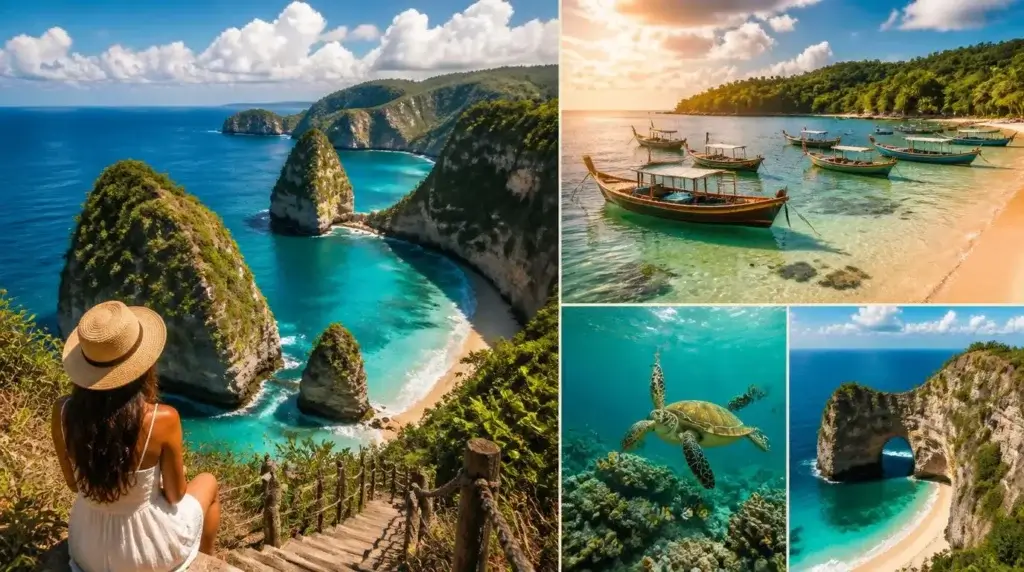
Image Credit: AI Generated
The Nusa Islands, Nusa Penida, Nusa Lembongan, and Nusa Ceningan are among the most spectacular destinations near Bali. Located just a 30 to 45-minute speedboat ride from Sanur Harbor, these islands offer dramatic limestone cliffs, secluded white-sand beaches, crystal-clear turquoise waters, and a slower, more adventurous atmosphere than mainland Bali.
Unlike the bustling beach towns of southern Bali, the Nusa Islands remain relatively untouched, making them perfect for travelers seeking breathtaking coastal scenery, world-class snorkeling, scenic viewpoints, and authentic island experiences. While each island has its own unique character, Nusa Penida is the largest and most famous, known for its iconic viewpoints and extraordinary marine life.
The dry season (April to October) is widely considered the best time to visit. Calm seas make boat transfers safer and more comfortable, while sunny skies and excellent underwater visibility create ideal conditions for snorkeling, diving, sightseeing, and photography.
Whether you’re planning a day trip or a multi-day island adventure, the Nusa Islands promise unforgettable landscapes and outdoor experiences.
Nusa Penida: Iconic Views and Marine Life
Nusa Penida is the largest, wildest, and most dramatic of the three Nusa Islands. Famous for its towering limestone cliffs, hidden beaches, turquoise bays, and panoramic ocean viewpoints, the island has become one of Indonesia’s top travel destinations.
Unlike Bali’s developed tourist areas, Nusa Penida retains a rugged, natural charm. Visitors can explore breathtaking coastal landscapes, hike to secluded beaches, swim in crystal-clear waters, and discover incredible marine life beneath the surface.
Although some roads remain steep and winding, the island rewards travelers with unforgettable scenery around every corner.
Highlights
- Dramatic limestone cliffs
- Hidden white-sand beaches
- Crystal-clear turquoise water
- Incredible coastal viewpoints
- World-class snorkeling and diving
- Rich marine biodiversity
Best For
- Adventure travelers
- Nature lovers
- Couples
- Photographers
- Snorkelers and divers
Pros
- Some of Indonesia’s most breathtaking coastal scenery
- Excellent snorkeling and diving opportunities
- Less commercialized than mainland Bali
- Numerous iconic photography locations
- Perfect for adventurous travelers
Cons
- Roads can be rough and time-consuming
- Attractions are spread across the island
- Limited public transportation
- Popular viewpoints become crowded during peak hours
Kelingking Beach
Kelingking Beach is the most famous attraction on Nusa Penida and one of Indonesia’s most photographed natural landmarks. Its towering limestone cliff resembles the shape of a Tyrannosaurus Rex, earning it the nickname “T-Rex Viewpoint.”
From the cliff-top observation area, visitors enjoy breathtaking panoramic views of emerald cliffs, turquoise ocean waters, and a secluded white-sand beach far below. The scenery is especially spectacular during the morning when sunlight illuminates the coastline.
For adventurous visitors, a steep hiking trail descends to the beach, offering an unforgettable but physically demanding experience.
Highlights
- Famous T-Rex-shaped cliff
- Spectacular panoramic viewpoints
- Hidden white-sand beach
- Crystal-clear ocean water
- One of Bali’s most iconic photo spots
- Amazing sunrise and sunset scenery
Best For
- Photographers
- Adventure seekers
- Nature lovers
- Couples
- Content creators
Pros
- One of the world’s most recognizable viewpoints
- Incredible panoramic scenery
- Excellent photography opportunities
- Memorable hiking experience
- Unspoiled natural beauty
Cons
- Steep hike requires good fitness
- Very busy during peak tourist hours
- Limited shade
- Swimming is generally unsafe because of strong waves
Travel Tip: Visit before 9:00 AM to enjoy cooler temperatures, fewer crowds, and the best lighting for photos.
Angel’s Billabong & Broken Beach
Located on Nusa Penida’s western coastline, Angel’s Billabong and Broken Beach are two remarkable natural attractions situated just a short walk apart, making them easy to visit together.
Angel’s Billabong is a naturally formed tidal infinity pool carved into smooth limestone rock. During low tide, its crystal-clear water reflects brilliant shades of emerald and turquoise, creating one of the island’s most beautiful natural swimming spots although swimming is only safe when conditions are calm.
Nearby, Broken Beach (Pasih Uug) features a spectacular circular bay connected to the ocean through a massive natural limestone arch. Visitors can walk around the cliff edge to admire panoramic views of the dramatic coastline and watch waves surge beneath the arch.
Highlights
- Natural limestone infinity pool
- Massive ocean archway
- Crystal-clear coastal water
- Scenic cliff-top walking paths
- Stunning landscape photography
- Incredible geological formations
Best For
- Nature enthusiasts
- Photographers
- Couples
- Sightseeing tours
Pros
- Two major attractions within walking distance
- Beautiful coastal scenery
- Unique geological features
- Excellent viewpoints
- Easy to include in a day trip
Cons
- Swimming can be dangerous during high tide
- Rocky terrain requires sturdy footwear
- Minimal shade
- Crowded during the middle of the day
Safety Tip: Always check tide conditions before entering Angel’s Billabong, as sudden waves can occur even on seemingly calm days.
Diamond Beach
Diamond Beach is one of the most picturesque beaches in Indonesia, celebrated for its dazzling white sand, turquoise waters, towering limestone cliffs, and distinctive offshore rock formations that rise dramatically from the sea.
Visitors reach the beach by descending a carefully carved staircase built into the cliff face. The journey itself offers breathtaking viewpoints overlooking the coastline before arriving at the pristine shoreline below.
Diamond Beach is an excellent destination for sightseeing, photography, and relaxing, although swimming conditions depend on ocean tides and wave activity.
Highlights
- Brilliant white-sand beach
- Dramatic limestone cliffs
- Scenic cliff staircase
- Crystal-clear water
- Iconic rock formations
- Panoramic viewpoints
Best For
- Beach lovers
- Photographers
- Couples
- Nature enthusiasts
Pros
- One of Bali’s most beautiful beaches
- Incredible photo opportunities
- Peaceful natural setting
- Stunning cliff-top viewpoints
- Less developed than mainland beaches
Cons
- Steep staircase may be challenging
- Limited facilities
- Strong currents at certain times
- Hot during midday
Atuh Beach
Located on the eastern coast of Nusa Penida, Atuh Beach is a secluded paradise surrounded by towering cliffs and impressive limestone sea stacks. The beach is known for its calm atmosphere, golden-white sand, and crystal-clear water, making it one of the island’s most relaxing coastal destinations.
The elevated viewpoints above the beach provide stunning panoramic views, especially during sunrise when the first rays of light illuminate the dramatic coastline.
Highlights
- Beautiful white-sand beach
- Towering limestone rock formations
- Scenic cliff viewpoints
- Peaceful atmosphere
- Sunrise photography
- Calm coastal scenery
Best For
- Couples
- Families
- Nature lovers
- Photographers
Pros
- Less crowded than many famous beaches
- Excellent sunrise destination
- Beautiful natural surroundings
- Great for relaxing
- Spectacular coastal views
Cons
- Requires climbing stairs
- Limited nearby restaurants
- Ocean conditions vary throughout the day
- Limited public facilities
Snorkeling with Manta Rays
One of the biggest highlights of visiting Nusa Penida is the opportunity to snorkel or dive alongside majestic manta rays in their natural habitat. These gentle giants are commonly found around Manta Point, where nutrient-rich waters attract them throughout much of the year.
The dry season offers excellent underwater visibility, often allowing snorkelers to clearly observe colorful coral reefs, tropical fish, sea turtles, and graceful manta rays gliding through the water.
Many guided tours combine Manta Point with several nearby snorkeling sites, providing a full day of unforgettable marine adventures.
Highlights
- Swim with wild manta rays
- Crystal-clear underwater visibility
- Vibrant coral reefs
- Tropical marine life
- Guided snorkeling tours
- Suitable for both snorkelers and divers
Best For
- Marine life enthusiasts
- Adventure travelers
- Families with older children
- Divers
- Snorkelers
Pros
- Bucket-list wildlife experience
- Excellent visibility during the dry season
- Diverse marine ecosystem
- Professional guides and safety equipment
- Multiple snorkeling sites included in many tours
Cons
- Wildlife sightings cannot be guaranteed
- Ocean conditions may occasionally be rough
- Early morning departures are common
- Seasickness may affect some visitors
Travel Tip: Choose a morning snorkeling tour for calmer seas and a better chance of encountering manta rays in ideal conditions.
Which Nusa Penida Attraction Is Right for You?
| Attraction | Main Highlight | Recommended Visit Time |
|---|---|---|
| Kelingking Beach | Iconic T-Rex cliff viewpoint | Early morning |
| Angel’s Billabong | Natural limestone infinity pool | Low tide |
| Broken Beach | Massive natural ocean arch | Morning or afternoon |
| Diamond Beach | White sand and dramatic cliffs | Morning |
| Atuh Beach | Peaceful bay with rock formations | Sunrise |
| Manta Point Snorkeling | Swimming with manta rays | Morning tours |
Nusa Lembongan & Nusa Ceningan: Laid-Back Island Charm
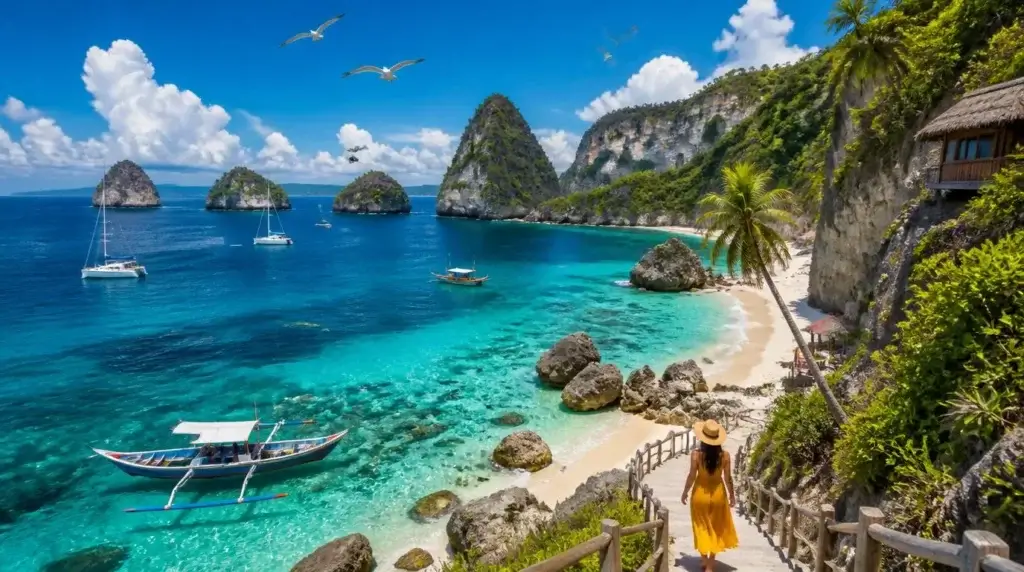
Image Credit: AI Generated
While Nusa Penida is known for its dramatic cliffs and rugged landscapes, Nusa Lembongan and Nusa Ceningan offer a slower, more relaxed island experience. Connected by the famous Yellow Bridge, these neighboring islands are small enough to explore in a day yet offer enough attractions to justify a longer stay.
With quiet beaches, scenic coastal roads, crystal-clear lagoons, and a welcoming local atmosphere, the islands are perfect for travelers seeking a peaceful escape from Bali’s busier destinations. Most visitors choose to rent a scooter, making it easy to discover hidden viewpoints, seaside cafés, and charming villages at their own pace.
The dry season (April to October) provides sunny weather, calm seas, and excellent visibility for sightseeing, kayaking, snorkeling, and photography.
Yellow Bridge
The Yellow Bridge, locally known as Jembatan Kuning, is one of the most recognizable landmarks in the Nusa Islands. Stretching across a narrow channel, the bright yellow suspension bridge connects Nusa Lembongan and Nusa Ceningan, allowing pedestrians and scooters to travel easily between the two islands.
Beyond its practical purpose, the bridge has become a popular photography spot thanks to its vibrant color and beautiful backdrop of turquoise water and traditional fishing boats.
Crossing the bridge offers scenic views in every direction and marks the beginning of an enjoyable island-hopping adventure.
Highlights
- Iconic yellow suspension bridge
- Connects two beautiful islands
- Panoramic ocean views
- Popular photography location
- Easy scooter access
- Symbol of the Nusa Islands
Best For
- First-time visitors
- Photographers
- Couples
- Scooter explorers
- Sightseeing tours
Pros
- Beautiful panoramic scenery
- Easy access between both islands
- Excellent photo opportunities
- Free to cross
- Central location
Cons
- Can become busy during peak hours
- Narrow bridge allows only scooters and pedestrians
- Limited parking nearby
Blue Lagoon (Nusa Ceningan)
One of the most breathtaking viewpoints on Nusa Ceningan, the Blue Lagoon is famous for its vibrant turquoise waters surrounded by towering limestone cliffs. The striking contrast between the brilliant blue ocean and rugged coastline creates one of the most photogenic landscapes in the Nusa Islands.
Unlike a traditional swimming beach, Blue Lagoon is primarily a scenic viewpoint where visitors can admire the dramatic coastal scenery, watch powerful waves crash against the cliffs, and capture stunning photographs.
On sunny days during the dry season, the water glows in remarkable shades of blue, making it a favorite destination for photographers and drone enthusiasts.
Highlights
- Brilliant turquoise water
- Dramatic limestone cliffs
- Spectacular coastal viewpoints
- Excellent drone photography
- Peaceful atmosphere
- Stunning ocean panoramas
Best For
- Photographers
- Nature lovers
- Couples
- Sightseeing
Pros
- One of the island’s most scenic viewpoints
- Incredible photo opportunities
- Easy scooter access
- Less crowded than many Bali attractions
- Beautiful coastal scenery
Cons
- Not suitable for swimming
- Limited shade
- Few nearby facilities
- Cliff edges require caution
Mahana Point (Nusa Ceningan)
Mahana Point is one of Nusa Ceningan’s most exciting attractions, combining spectacular ocean views with thrilling outdoor activities. The site is best known for its cliff-jumping platforms, where adventurous visitors can leap into the clear waters below when ocean conditions are safe.
In addition to cliff jumping, Mahana Point overlooks one of the island’s most popular surf breaks, attracting experienced surfers from around the world. A nearby café allows visitors to relax while watching surfers ride the waves and enjoying panoramic views of the Indian Ocean.
Highlights
- Cliff-jumping platforms
- Scenic ocean viewpoints
- Excellent surf break
- Relaxed cliffside café
- Spectacular sunsets
- Adventure atmosphere
Best For
- Adventure travelers
- Surfers
- Couples
- Photographers
Pros
- Unique adrenaline-filled experience
- Incredible ocean scenery
- Popular surf-watching location
- Relaxed café with panoramic views
- Beautiful sunset spot
Cons
- Cliff jumping should only be attempted in safe conditions
- Strong currents are common
- Not suitable for young children
- Limited parking
Safety Tip: Always follow local advice and check ocean conditions before attempting any cliff jump.
Devil’s Tear (Nusa Lembongan)
Devil’s Tear is one of Nusa Lembongan’s most dramatic natural attractions. This rugged rocky cove is famous for the enormous waves that crash against the cliffs, sending towering sprays of seawater high into the air.
The powerful ocean forces have carved unique rock formations over thousands of years, creating a spectacular coastal landscape. During sunset, golden light reflects off the sea spray, making Devil’s Tear one of the island’s most popular photography locations.
Visitors should remain behind safety barriers, as unexpected waves can reach viewing areas without warning.
Highlights
- Powerful crashing waves
- Dramatic sea spray
- Rugged coastal cliffs
- Spectacular sunsets
- Excellent photography location
- Scenic walking paths
Best For
- Nature lovers
- Photographers
- Families
- Couples
Pros
- One of the island’s most unique attractions
- Incredible wave action
- Beautiful sunset views
- Easy to access
- Excellent coastal scenery
Cons
- Dangerous near cliff edges
- Can become crowded at sunset
- Very little shade
- Strong ocean conditions prevent swimming
Mangrove Forest (Nusa Lembongan)
On the northern side of Nusa Lembongan lies a peaceful mangrove forest that offers a refreshing contrast to the island’s dramatic cliffs and beaches. This protected ecosystem is home to diverse birdlife, marine species, and dense mangrove trees that play an essential role in protecting the coastline.
Visitors can explore the calm waterways by traditional wooden boat, stand-up paddleboard, or kayak while enjoying the tranquil surroundings. The still waters and lush greenery create a relaxing experience suitable for all ages.
The mangrove forest is particularly beautiful during the early morning when wildlife is most active and temperatures are cooler.
Highlights
- Peaceful mangrove ecosystem
- Kayaking and boat tours
- Rich birdlife
- Calm waterways
- Family-friendly activity
- Beautiful natural scenery
Best For
- Families
- Nature lovers
- Kayakers
- Birdwatchers
- Couples
Pros
- Relaxing outdoor activity
- Suitable for all ages
- Unique ecological experience
- Calm waters
- Excellent wildlife viewing
Cons
- Limited shade during midday
- Mosquitoes may be present
- Weather can affect tours
- Fewer facilities than beach attractions
Travel Tip: Visit in the morning or late afternoon for cooler temperatures, calmer conditions, and the best wildlife viewing opportunities.
Discovering Bali’s Tranquil East and North
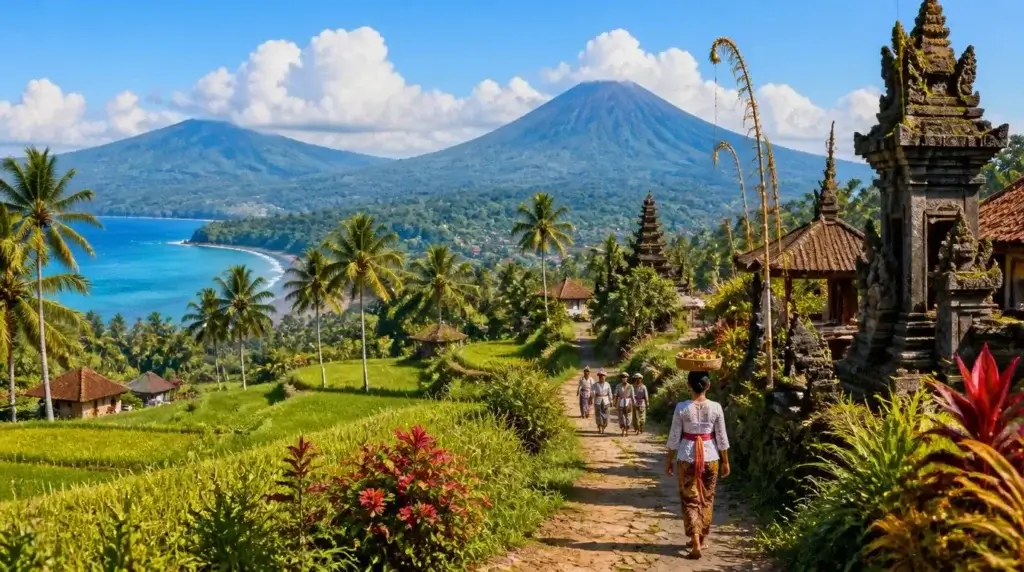
Image Credit: AI Generated
While southern Bali attracts visitors with lively beaches and nightlife, East and North Bali reveal a quieter, more authentic side of the island. These regions are known for dramatic volcanic landscapes, peaceful rice valleys, sacred temples, traditional villages, and uncrowded beaches that allow travelers to experience Bali at a slower pace.
The dry season (April to October) is the ideal time to explore these areas. Sunny days, lower humidity, calmer seas, and excellent visibility make sightseeing, hiking, snorkeling, and photography especially enjoyable.
Whether you’re searching for spiritual landmarks, hidden beaches, or breathtaking mountain scenery, East and North Bali provide unforgettable experiences far from the busiest tourist hubs.
East Bali: Serenity and Spirituality
East Bali, centered around Karangasem Regency, offers a rich blend of cultural heritage, natural beauty, and traditional Balinese life. Compared to the more developed south, this region feels refreshingly peaceful, with winding country roads, lush valleys, volcanic peaks, and charming villages where ancient customs remain part of everyday life.
The region is ideal for travelers looking to immerse themselves in Balinese culture while enjoying scenic landscapes, historic temples, and quiet coastal escapes.
Sidemen Valley
Often called “Ubud before tourism” or “Ubud without the crowds,” Sidemen Valley is one of Bali’s most peaceful destinations. Nestled among emerald-green rice terraces with the majestic Mount Agung rising in the background, the valley offers an authentic glimpse into traditional Balinese rural life.
Visitors can spend their days walking through rice fields, cycling quiet country roads, exploring local villages, attending traditional weaving workshops, or simply relaxing while enjoying panoramic mountain views.
Sidemen is particularly popular with travelers seeking wellness, photography, and slow-paced cultural experiences.
Highlights
- Stunning rice terraces
- Panoramic views of Mount Agung
- Traditional weaving villages
- Peaceful countryside
- Scenic hiking trails
- Boutique eco-lodges
Best For
- Nature lovers
- Couples
- Wellness travelers
- Photographers
- Cultural explorers
Pros
- Much quieter than Ubud
- Beautiful mountain scenery
- Authentic Balinese culture
- Excellent hiking opportunities
- Relaxing atmosphere
Cons
- Limited nightlife
- Fewer restaurants than Ubud
- Public transportation is limited
- Best explored with private transport
Tirta Gangga Water Palace
Built in 1948 by the royal family of Karangasem, Tirta Gangga Water Palace is one of East Bali’s most elegant attractions. The beautifully landscaped royal gardens feature ornamental ponds, stone statues, fountains, tropical flowers, and the famous stepping stones that allow visitors to walk across koi-filled pools.
The palace combines Balinese and European architectural influences, creating a peaceful environment ideal for sightseeing, photography, and quiet reflection.
Visitors can also enjoy nearby cafés overlooking the gardens or cool off in the spring-fed swimming pools located within the complex.
Highlights
- Royal water gardens
- Decorative fountains
- Stone stepping paths
- Koi ponds
- Traditional sculptures
- Tropical gardens
Best For
- Families
- Couples
- Photographers
- Garden enthusiasts
- Cultural travelers
Pros
- Beautifully maintained gardens
- Relaxing atmosphere
- Excellent photography opportunities
- Easy walking paths
- Rich historical significance
Cons
- Popular during peak tourist hours
- Smaller than some visitors expect
- Entry fee required
- Can become warm during midday
Lempuyang Temple (Gates of Heaven)
One of Bali’s most iconic landmarks, Lempuyang Temple is famous for its stunning “Gates of Heaven,” where visitors can capture breathtaking photographs with Mount Agung perfectly framed between two ancient stone gates.
The temple is one of Bali’s oldest and most sacred Hindu temples, attracting both pilgrims and visitors from around the world. Beyond its famous entrance, the temple complex consists of several shrines located along a mountain trail, rewarding those who continue climbing with peaceful surroundings and panoramic views.
Visiting early in the morning offers cooler temperatures, fewer crowds, and a better chance of clear views of Mount Agung.
Highlights
- Famous Gates of Heaven
- Panoramic Mount Agung views
- Ancient Hindu temple
- Spiritual significance
- Beautiful mountain scenery
- Traditional Balinese architecture
Best For
- Photographers
- Spiritual travelers
- Couples
- Culture enthusiasts
Pros
- One of Bali’s most iconic photo locations
- Rich cultural and religious history
- Incredible mountain views
- Peaceful temple atmosphere
- Excellent sunrise destination
Cons
- Long queues for photos during busy periods
- Weather may obscure Mount Agung
- Modest dress is required
- Steep roads leading to the temple
Travel Tip: Arrive before sunrise to enjoy shorter photo queues and the clearest mountain views.
Virgin Beach (Pasir Putih)
Tucked away along East Bali’s coastline, Virgin Beach, also known as Pasir Putih, is a peaceful bay famous for its light-colored sand, calm turquoise waters, and lush green hills surrounding the shoreline.
Unlike Bali’s busier southern beaches, Virgin Beach retains a relaxed atmosphere where visitors can swim, sunbathe, snorkel, or simply enjoy fresh seafood served at small beachfront cafés.
The beach’s sheltered location makes it an ideal destination for travelers looking to escape the crowds.
Highlights
- Soft white sand
- Calm turquoise water
- Scenic green hills
- Peaceful atmosphere
- Beachfront seafood cafés
- Excellent swimming conditions
Best For
- Families
- Couples
- Beach lovers
- Relaxation seekers
Pros
- Less crowded than southern beaches
- Beautiful natural surroundings
- Calm water for swimming
- Local seafood restaurants
- Great place to unwind
Cons
- Limited public transportation
- Fewer facilities
- Cash is recommended
- Some sections have rocky seabeds
Amed and Jemeluk Bay
Stretching along Bali’s northeastern coastline, Amed is a collection of quiet fishing villages known for volcanic black-sand beaches, crystal-clear water, and some of the island’s best snorkeling and diving opportunities.
Nearby Jemeluk Bay is particularly popular for its colorful coral reefs, underwater statues, sea turtles, and abundant tropical marine life. During the dry season, underwater visibility often exceeds 20–30 meters (65–100 feet), creating ideal conditions for snorkeling and scuba diving.
Unlike Bali’s crowded resort towns, Amed offers a laid-back atmosphere where visitors can enjoy sunrise views, fresh seafood, and authentic village life.
Highlights
- Excellent snorkeling and diving
- Colorful coral reefs
- Underwater statues
- Sea turtles
- Volcanic coastline
- Peaceful fishing villages
Best For
- Divers
- Snorkelers
- Nature lovers
- Couples
- Slow travelers
Pros
- Outstanding marine biodiversity
- Relaxed atmosphere
- Beautiful sunrise views
- Affordable accommodations
- Less crowded than southern Bali
Cons
- Long drive from the airport
- Limited nightlife
- Fewer luxury resorts
- Public transportation is limited
Travel Tip: Visit Jemeluk Bay early in the morning when the sea is calmest and underwater visibility is typically at its best.
Which East Bali Destination Should You Visit?
| Destination | Best For | Recommended Visit Time |
|---|---|---|
| Sidemen Valley | Nature and culture | Full day or overnight |
| Tirta Gangga Water Palace | Photography | Morning |
| Lempuyang Temple | Spirituality and photography | Sunrise |
| Virgin Beach | Relaxation | Morning to afternoon |
| Amed & Jemeluk Bay | Snorkeling and diving | Morning |
North Bali: Waterfalls, Dolphins, and Temples
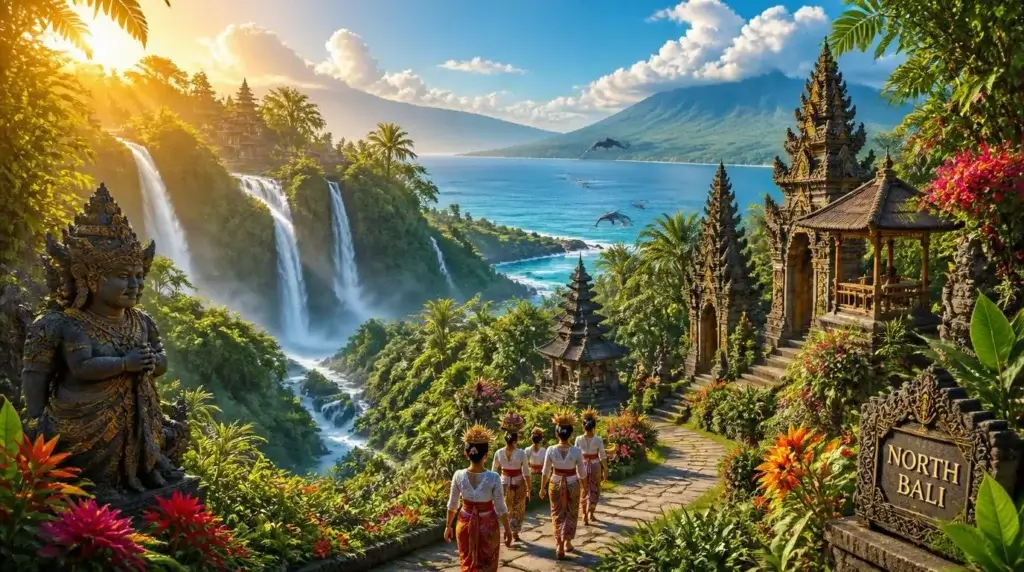
Image Credit: AI Generated
North Bali is one of the island’s most peaceful and naturally beautiful regions, offering a refreshing escape from the bustling beaches of the south. Characterized by misty mountains, lush rainforests, volcanic lakes, waterfalls, quiet coastal villages, and rich marine ecosystems, this region showcases a slower and more authentic side of Bali.
Thanks to its higher elevation, North Bali enjoys cooler temperatures than the southern coastline, making it an ideal destination for hiking, waterfall adventures, sightseeing, and nature exploration. The dry season (April to October) brings sunny weather, lower humidity, calmer seas, and excellent visibility for snorkeling and diving, making it the perfect time to explore the region.
Whether you’re watching dolphins at sunrise, trekking through tropical forests, soaking in natural hot springs, or diving among colorful coral reefs, North Bali offers unforgettable experiences surrounded by spectacular natural beauty.
Lovina Beach
Located along Bali’s tranquil northern coastline, Lovina Beach is best known for its unforgettable sunrise dolphin-watching tours. Every morning, traditional wooden boats head out into the calm waters where pods of wild dolphins are frequently seen swimming and jumping alongside the boats.
Unlike the energetic atmosphere of southern Bali, Lovina offers a relaxed pace with black volcanic-sand beaches, quiet cafés, local restaurants, and beautiful mountain scenery.
The calm waters also make Lovina an excellent destination for snorkeling, swimming, and sunset walks.
Highlights
- Sunrise dolphin scenery.
The calm waters also make Lovina an excellent destination for snorkeling, swimming, and sunset walks.
Highlights
- Sunrise dolphin-watching tours
- Calm ocean waters
- Black volcanic-sand beaches
- Traditional fishing boats
- Peaceful atmosphere
- Beautiful coastal sunsets
Best For
- Families
- Couples
- Wildlife lovers
- Nature enthusiasts
- Relaxation seekers
Pros
- One of Bali’s best wildlife experiences
- Peaceful coastal environment
- Calm sea conditions
- Less crowded than southern beaches
- Affordable accommodations
Cons
- Dolphin sightings are not guaranteed
- Early morning departures are required
- Black sand differs from Bali’s white beaches
- Limited nightlife
Munduk Village
Nestled high in Bali’s central mountains, Munduk Village is famous for its cool climate, scenic hiking trails, coffee plantations, and breathtaking waterfalls. Surrounded by rolling hills and lush forests, the village offers a refreshing escape from Bali’s tropical heat.
Visitors can explore spice gardens, enjoy locally grown coffee, trek through peaceful rice terraces, and discover waterfalls hidden among dense jungle. The region’s cooler temperatures make it especially pleasant for outdoor activities throughout the day.
Highlights
- Cool mountain climate
- Coffee and clove plantations
- Scenic hiking trails
- Munduk Waterfall
- Less-crowded rice terraces
- Panoramic mountain views
Best For
- Nature lovers
- Hikers
- Couples
- Photographers
- Wellness travelers
Pros
- Cooler weather year-round
- Beautiful mountain scenery
- Authentic village atmosphere
- Excellent hiking opportunities
- Peaceful surroundings
Cons
- Limited nigh even during the dry season
Sekumpul Waterfall
Often regarded as Bali’s most spectacular waterfall, Sekumpul Waterfall is hidden deep within a lush tropical valley in northern Bali. Rather than a single cascade, Sekumpul consists of several waterfalls flowing down towering cliffs surrounded by dense rainforest.
Reaching the falls requires a moderate trek through villages, river crossings, and jungle paths, making the experience feel like a true adventure. The reward is one of the island’s most breathtaking natural landscapes.
Highlights
- Multiple towering waterfalls
- Dense tropical rainforest
- Scenic hiking trail
- Crystal-clear streams
- Incredible photography
- Peaceful natural setting
Best For
- Adventure travelers
- Nature lovers
- Hikers
- Photographers
Pros
- One of Bali’s most impressive waterfalls
- Less commercialized atmosphere
- Incredible jungle scenery
- Memorable hiking experience
- Excellent photography opportunities
Cons
- Moderate hike required
- River crossings may be slippery
- Entry and guide fees may apply
- Not ideal for visitors nd uneven.
Banyumala Twin Waterfalls
Hidden deep within the forests of North Bali, Banyumala Twin Waterfalls are among the island’s most peaceful natural attractions. Two graceful waterfalls flow side by side into a crystal-clear natural pool surrounded by lush tropical vegetation.
Unlike some of Bali’s busier waterfalls, Banyumala retains a quiet, relaxing atmosphere, making it an ideal destination for swimming, photography, and simply enjoying nature.
Highlights
- Twin waterfalls
- Crystal-clear swimming pool
- Dense jungle surroundings
- Peaceful atmosphere
- Scenic hiking path
- Excellent photography
Best For
- Couples
- Families
- Nature lovers
- Swimmers
- Photographers
Pros
- Safe natural swimming area
- Less crowded than popular waterfalls
- Beautiful rainforest setting
- Easy-to-moderate hike
- Refreshing water year-round
Cons
- Steep slimited
Pemuteran & Menjangan Island
The quiet coastal village of Pemuteran is one of Bali’s best-kept secrets and serves as the gateway to Menjangan Island, part of West Bali National Park. The area is internationally recognized for its healthy coral reefs, crystal-clear water, and abundant marine biodiversity.
Menjangan Island is considered one of Indonesia’s finest snorkeling and diving destinations, featuring colorful coral gardens, dramatic underwater walls, sea turtles, reef sharks, and hundreds of tropical fish species.
Pemuteran itself is known for its relaxed atmosphere, beachfront resorts, and community-led coral restoration projects.
Highlights
- World-class snorkeling
- Colorful coral reefs
- Menjangan Island Marine Park
- Sea turtles and tropical fish
- Coral restoration projects
- Peaceful coastal village
Best For
- Divers
- Snorkelers
- Marine life enthusiasts
- Families
- Nature lovers
Pros
- Exceptional underwater visibility
- Rich marine biodiversity
- Quiet beaches
- Sustainable tourism initiatives
- Excellent diving conditions
Cons
- Long drive from southern Bali
- Limited nightlife
- Boat trip required to reach Menjangan Island
- Fewer luxury shopping options
Travel Tip: Mornin visibility.
Banjar Hot Springs (Air Panas Banjar)
Tucked away in a peaceful tropical setting, Banjar Hot Springs (Air Panas Banjar) offer visitors the chance to relax in naturally heated mineral-rich pools surrounded by lush gardens. The springs feature traditional Balinese stone carvings, dragon-shaped water spouts, and several bathing pools with varying temperatures.
Long valued by locals for relaxation, the springs provide a soothing stop after exploring North Bali’s waterfalls, temples, or mountain villages.
Highlights
- Natural hot spring pools
- Mineral-rich water
- Tropical gardens
- Traditional Balinese architecture
- Relaxing atmosphere
- Family-friendly attraction
Best For
- Wellness travelers
- Families
- Couples
- Nature lovers
Pros
- Relaxing natural hot springs
- Affordable entrance fee
- Peaceful environment
- Easy to combine with nearby attractions
- Suitable for all ages
Cons
- Basic changing facilities
- Can become busy during weekends
- Limited dining options nearby
- Water temperature may vary between pools
Which North Bali Attraction Should You Visit?
| Destination | Best For | Main Highlight | Recommended Visit Time |
|---|---|---|---|
| Lovina Beach | Wildlife lovers | Sunrise dolphin tours | Early morning |
| Munduk Village | Nature and hiking | Cool mountain scenery and waterfalls | Full day |
| Sekumpul Waterfall | Adventure travelers | Bali’s most spectacular waterfall | Morning |
| Banyumala Twin Waterfalls | Swimming and relaxation | Twin cascades and natural pool | Morning or afternoon |
| Pemuteran & Menjangan Island | Snorkeling and diving | Coral reefs and marine life | Morning |
| Banjar Hot Springs | Relaxation | Natural mineral hot springs | Afternoon |
Insider Tips for a Seamless Summer Trip

Image Credit: AI Generated
To make the most of your Bali summer adventure, a little planning goes a long way.
- Book in Advance: The dry season, especially July and August, is peak tourist season. Book flights, accommodation, and popular activities well in advance to secure your preferences and potentially avoid higher prices.
- Pack Smart: Expect warm, sunny days (20-31°C) with lower humidity. Pack lightweight, breathable clothing made from cotton or linen. Don’t forget swimwear, a hat, sunglasses, and high SPF sunscreen, reapplying often. While it’s the dry season, brief afternoon showers are still possible, so a lightweight foldable umbrella or compact rain jacket is a sensible precaution.
- Stay Hydrated: The Bali sun is strong year-round. Carry water throughout the day, especially during outdoor activities.
- Plan Around the Sun and Crowds: Midday can be very hot, particularly in coastal areas. Start outdoor activities early in the morning for cooler temperatures and clearer conditions. Expect larger crowds at popular attractions, especially around sunset hotspots.
- Consider Shoulder Months: May, June, and September offer the same great dry weather with potentially fewer crowds and lower hotel rates compared to July and August.
- Transportation: Traffic can be heavy in popular areas like Canggu and southern Ubud, especially during peak season. Hiring a private driver can help navigate busy routes.
- Health and Safety: Tap water is not safe to drink; use bottled or filtered water. Be cautious with ice at small warungs. Petty theft can occur; wear bags cross-body and keep valuables secure.
Conclusion: Crafting Your Perfect Bali Summer Adventure
Bali during the summer (dry season) offers an unparalleled experience, from the vibrant beaches and surf culture of the south to the serene rice paddies and spiritual heartland of the center, the dramatic cliffs of the Nusa Islands, and the tranquil beauty of the east and north. With consistently sunny days and ideal conditions for a myriad of activities, it’s truly the best time to visit the island. By planning ahead, packing appropriately, and knowing what to expect, you can craft a seamless and unforgettable Bali summer adventure that perfectly suits your desires. Whether you seek adventure, relaxation, cultural immersion, or simply breathtaking natural beauty, Bali awaits to enchant you.
Frequently Asked Questions
When is Bali’s “summer” season, and what is the weather like?
Bali’s “summer” corresponds to its dry season, which typically runs from April to October. During these months, you can expect consistently sunny days, lower humidity, minimal rainfall, and temperatures ranging from 20°C to 31°C.
Is the dry season the best time to visit Bali?
Yes, the dry season is widely considered the best time to visit Bali for most travelers due to the ideal weather conditions for beaches, outdoor activities, and sightseeing. However, it is also the peak tourist season, especially July and August, meaning more crowds and potentially higher prices.
What are the main advantages of visiting Bali during the dry season?
The key advantages include abundant sunshine, lower humidity, calmer seas with better visibility for water sports, and perfect conditions for outdoor events and festivals.
Which areas are best for surfing during Bali’s summer?
The dry season brings consistent swells and favorable offshore winds to Bali’s west coast. Popular surf spots include Kuta, Legian, Seminyak, Canggu, and Uluwatu.
Are the Nusa Islands worth visiting during the dry season?
Absolutely. The dry season (April to October) is the best time to visit the Nusa Islands, ensuring calmer seas for boat transfers and optimal conditions for exploring their dramatic landscapes and engaging in water activities like snorkeling and diving.
How can I avoid the biggest crowds during peak summer months in Bali?
To avoid the largest crowds, consider visiting during the shoulder months of May, June, or September, which still offer excellent dry weather but with noticeably fewer visitors and potentially lower prices. Starting your daily activities early in the morning can also help.