Quick answer: At most hotels, no. Epsom salt can leave residue in the jets and plumbing of a hotel jacuzzi, and many properties ban bath additives in jetted tubs or charge a cleaning fee if you use them. Ask the front desk first, and if the answer is no, use one of the safer workarounds in this guide instead.
It is a fair question. You have booked the room for the big tub, your shoulders are tight from travel, and a bag of Epsom salt in your suitcase seems like the obvious upgrade. Before you tip it in, it is worth knowing exactly how can you use epsom salt in a hotel jacuzzi without upsetting the hotel, the plumbing, or the next guest.
This guide explains why most hotels say no, what salts and other additives do inside a jetted tub, and the fee and housekeeping side most guests never hear about. You will also get safer ways to get the same loose, relaxed feeling, plus the polite way to ask if you still want to try.
In this guide
- 1. The rule at most hotels: ask first, expect a no
- 2. What Epsom salt does inside a jetted tub
- 3. The housekeeping and fee side of the story
- 4. Bath bombs, oils and bubbles have the same problem
- 5. Safer ways to get the same relaxed feeling
- 6. If you still want to ask: how to do it right
- 7. Pick the right room instead of fighting the rules
- 8. Tub etiquette every guest should follow
- 9. Mistakes to avoid
- 10. Pre-booking checklist
- 11. Frequently Asked Questions
- 12. Final Thoughts
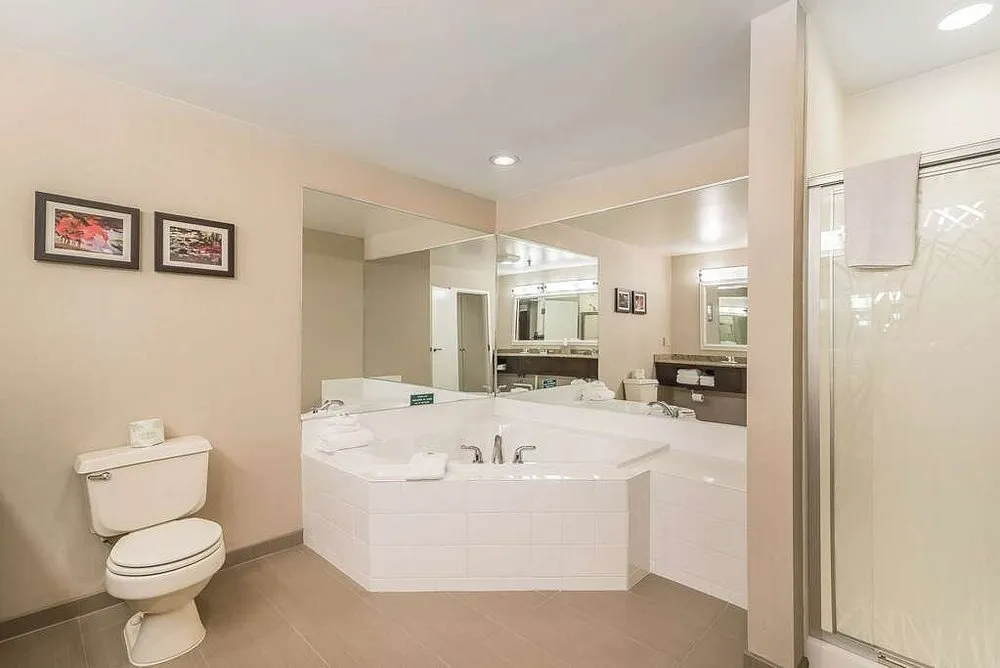
1. The rule at most hotels: ask first, expect a no
Most hotel jacuzzis are jetted tubs, and jetted tubs come with a simple house rule: plain water only. Many hotels put that rule in the room guide, some say it at check in, and plenty never spell it out until a fee appears on a bill. The absence of a sign does not make it a yes.
There are two reasons hotels guard these tubs. The first is the machinery, which the next section covers. The second is that a hotel tub is not your tub. It has to be cleaned, sanitized, and ready for a stranger within a few hours of your checkout, and anything you add to the water becomes part of that job.
2. What Epsom salt does inside a jetted tub
Epsom salt dissolves in the water you see, and that part is fine. The trouble starts with the water you do not see. A jetted tub pulls bath water into its pipes and pushes it back out through the jets, and a small amount of that water stays inside the plumbing after you drain the tub.
Residue where you cannot reach it
When salty water sits in pipes and then dries, it can leave mineral residue behind. Run after run, that build up can narrow the lines, strain the pump, and give bacteria a rougher surface to cling to. Oils and bath products make the problem worse, which is why many tub makers tell owners to keep bath additives out of jetted systems entirely.
Why your home tub is a different case
At home, you own the pump, you choose the cleaning routine, and you can run a jet cleaner through the lines whenever you like. In a hotel, the staff cannot deep clean the inside of the plumbing between every guest. When our team verifies a listing, we look at how a property cares for its tubs, and the well run hotels are strict about additives for exactly this reason.
3. The housekeeping and fee side of the story
Housekeeping teams work to a tight clock. A normal jacuzzi clean between guests already involves draining, scrubbing, sanitizing the surfaces, and flushing the jets with clean water. If a tub has had salts, oils, or bath bombs in it, the clean takes longer and may need extra flushes before the water runs clear.
Cleaning and damage fees are real
Some hotels spell out a fee for misuse of the tub, and others fold it into a general damage or extra cleaning charge. You agree to those terms at check in, often without reading them. A bag of bath salt is a cheap thing to risk a fee over, and arguing at the front desk rarely ends in your favor.
Think about the guest after you
Residue in the jets does not fully leave with your bath water. The next guest can end up soaking in traces of your soak, which is exactly what hotel cleaning standards try to prevent. Our guide to how clean hotel room jacuzzis really are walks through the full cleaning routine a good property follows.

4. Bath bombs, oils and bubbles have the same problem
Epsom salt is not the only thing that causes trouble. Anything that adds residue, color, scent oils, or foam to the water creates the same plumbing and cleaning issues, and some are worse than salt. Here is the quick picture.
| Additive | Main problem | Hotel view |
|---|---|---|
| Epsom salt | Mineral residue inside jets and pipes | Usually not allowed in jetted tubs |
| Bath bombs | Oils, color, and glitter that coat the tub and lines | Commonly banned; high cleaning fee risk |
| Bubble bath | Foam explodes with jets and floods the bathroom floor | Not allowed; a classic hotel mishap |
| Bath oils | Slick film on surfaces, slippery and hard to flush out | Not allowed in most properties |
| Plain water | None | Always welcome |
The bubble bath row deserves a warning of its own. Jets whip bubble bath into a mountain of foam in minutes, and hotel staff have seen every version of that flood. If you take one thing from this table, make it this: if it fizzes, foams, colors, or scents the water, keep it out of a hotel jacuzzi.
5. Safer ways to get the same relaxed feeling
The good news is that the soak itself does most of the work. Warm water and jet massage are what loosen tight shoulders, and there are simple ways to add the Epsom effect without putting a grain of salt in the tub.
Use the salt outside the tub
Fill the bathroom sink or a small basin with warm water and Epsom salt and soak your feet while you relax in the tub with plain water. It sounds simple because it is, and your feet get the full benefit with zero risk to the plumbing. You can also use an Epsom salt body lotion or gel after your soak, once you are out and dried off.
Book the hotel spa instead
Many hotels with in-room jacuzzis also run a spa, and spas are set up for treatments that a guest room tub is not. A massage, a sauna session, or a steam room visit pairs well with a plain soak back in your room. Ask at booking what the spa offers and whether guests get any included access.
Make the plain soak count
Warm the room, dim the lights, and give the water time to do its job. Stretch gently while you soak, and follow up with a cool rinse and moisturizer. Most guests who try this are surprised how little they miss the salt.
6. If you still want to ask: how to do it right
Some properties, above all small inns and vacation rentals with simple tubs, may say yes. The difference between a yes and a no is usually how and when you ask. Follow these steps and you will never be on the wrong side of the house rules.
- Ask before you book, by phone or message, so the answer can shape your choice of room.
- Ask again at check in if anything was unclear, and get a clear yes before you open the bag.
- If the answer is no, accept it with a smile; arguing will not change the plumbing.
- If the hotel says yes, ask whether the jets can run with it, and follow their answer exactly.
- Leave the tub rinsed and clean either way.
Never just do it quietly and hope. Staff can tell from residue and scent, and “nobody said I could not” is not the defense you want to present at checkout.

7. Pick the right room instead of fighting the rules
If bath products matter a lot to you, choose a room that fits that plan from the start. Some suites have a deep, plain soaking tub with no jets at all, and a hotel may be more relaxed about salts in a tub with no plumbing to protect. The listing rarely shouts about the difference, so check the photos and room details closely, using our guide on how to tell if a hotel room really has a private jacuzzi to read between the lines.
When you compare rooms, check room types and guest photos here to spot deep soaking tubs versus jetted ones, and browse our wider hotels with a jacuzzi in the room listings for rooms our team has already checked. Picking the right tub up front beats negotiating at the front desk every single time.
8. Tub etiquette every guest should follow
Whether or not salt is on the table, a few habits keep you in the hotel’s good books and the tub in good shape. Rinse off in the shower before a long soak, especially after a day of sunscreen and travel. Keep drinks in plastic, not glass, near the tub. Run the jets for a short flush of clean water before your soak if the tub has been sitting unused, and drain and rinse the tub when you finish.
And keep the noise in mind. Jets are louder than people expect late at night, and the couple in the next room did not book a room beside a pump. Shorter, earlier soaks make you a better neighbor and a welcome guest.
9. Mistakes to avoid
- Assuming no sign means salts are allowed.
- Using bath bombs or bubble bath in a jetted tub.
- Running the jets with any additive in the water.
- Arguing about a cleaning fee you could have dodged by asking.
- Leaving colored or oily water sitting in the tub at checkout.
- Trusting a random forum post over the hotel’s own answer.
10. Pre-booking checklist
- Decide what you really want: jet massage, deep soak, or spa treatment.
- If salts matter, ask the hotel before you book, not after you arrive.
- Look for rooms with a plain deep soaking tub as well as, or instead of, jets.
- Pack a small basin plan and Epsom lotion as your no-risk backup.
- Read the room rules at check in so a fee never surprises you.
When you are ready to compare rooms, compare jacuzzi room options for your dates and check the tub type in the photos before you book.
11. Frequently Asked Questions
Can Epsom salt actually damage a hotel jacuzzi?
One use is unlikely to break a pump on the spot, but salty water left in the lines can leave mineral residue that builds up over time and strains the system. That long term wear is why makers and hotels tell guests to keep additives out of jetted tubs. The risk is real enough that it is not yours to take with someone else’s property.
Will the hotel know if I use Epsom salt just once?
Quite possibly. Housekeeping may notice residue, scent, or a gritty feel in the water lines when they flush the jets, and some hotels inspect tubs closely between guests. Even if nobody notices, the fee risk and the next guest’s experience make it a poor gamble.
What if I do not run the jets at all?
It lowers the risk but does not remove it, because bath water still enters parts of the system when the tub fills and drains. Hotels that ban additives usually ban them outright rather than by jet use. Ask first; a clear yes for a no-jets soak is possible at some smaller properties.
Are bath bombs worse than Epsom salt?
Yes, in most cases. Bath bombs add oils, color, and sometimes glitter, all of which coat the tub and the plumbing and take far longer to clean than plain salt residue. They are the additive most likely to earn you a cleaning fee.
Is there any hotel tub where Epsom salt is fine?
Sometimes. A plain, non-jetted soaking tub has no pump or lines to protect, and some hotels and vacation rentals allow salts there. The only way to know is to ask about the exact room you are booking, before you arrive.
12. Final Thoughts
- Most hotels ban Epsom salt and other additives in jetted tubs; always ask first.
- Residue in jets and pipes, plus extra cleaning time, sit behind the rule.
- Cleaning fees are a real and avoidable cost of ignoring it.
- Foot soaks, Epsom lotions, and the hotel spa give you the same relaxed result.
- Choosing a room with a plain deep soaking tub is the smartest workaround.
The BookingFlyNHotel Team. We hand-verify hotels with a private jacuzzi or hot tub in the room: 13,000+ listings across all 50 states.