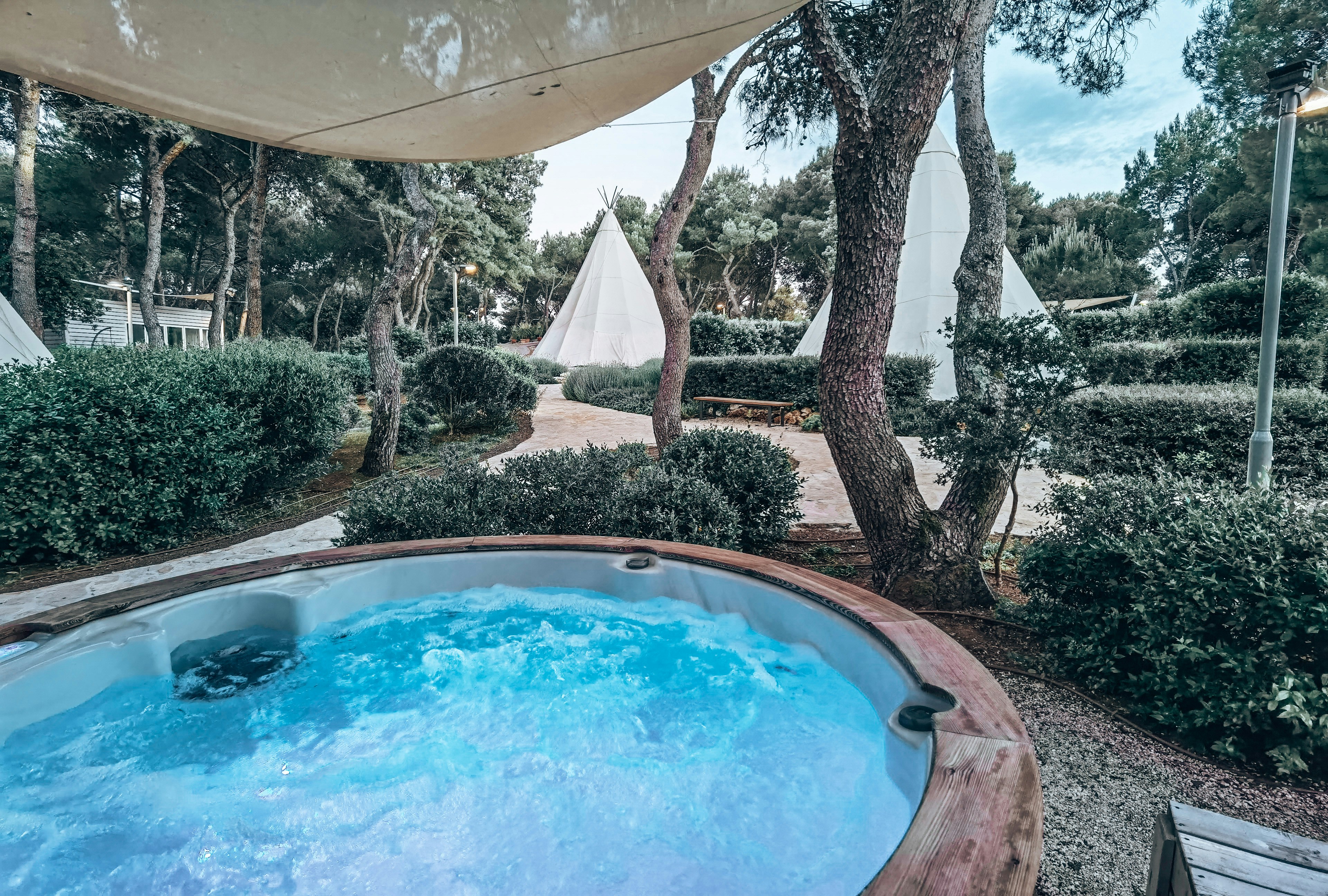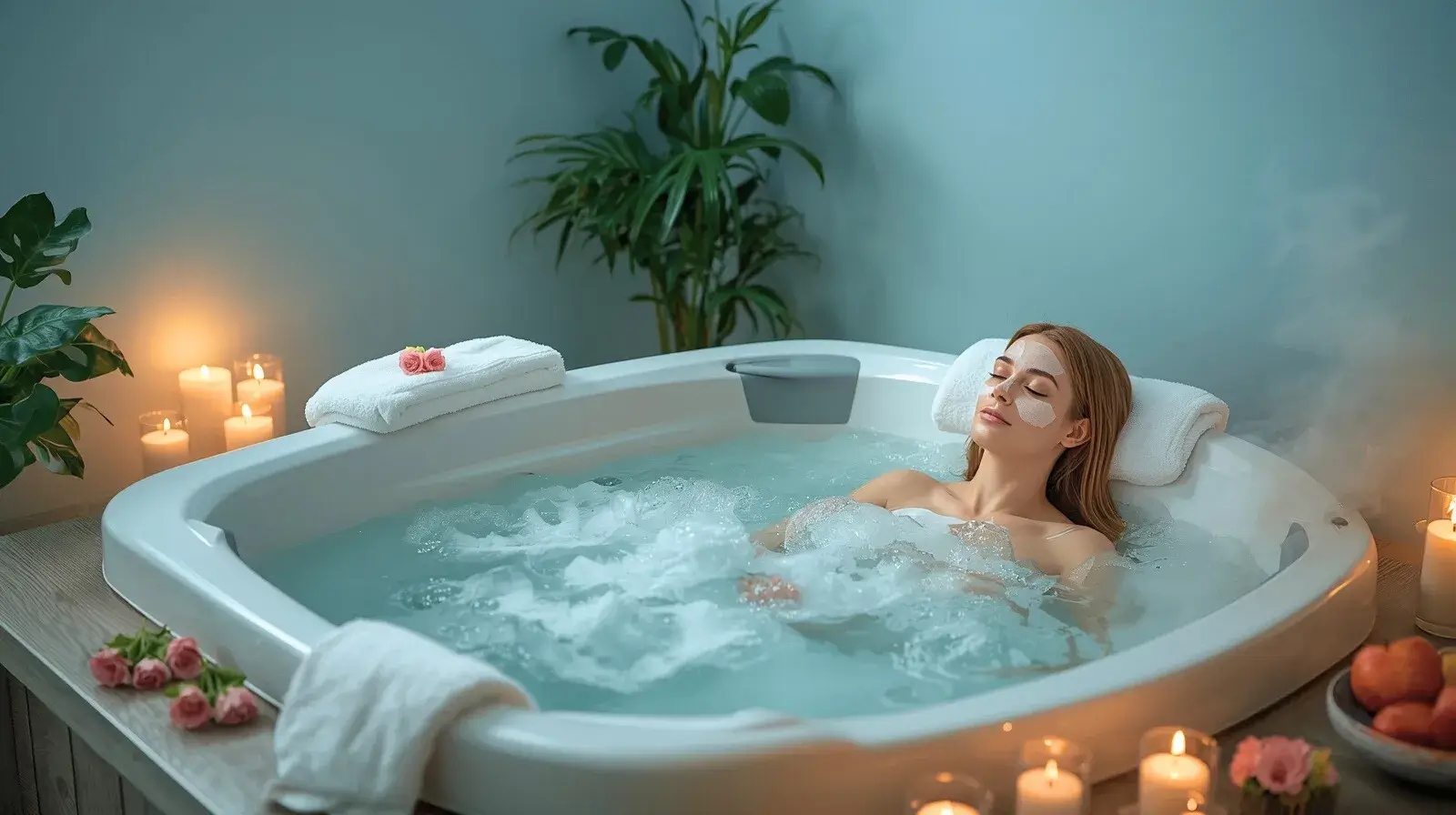

When we travel, the desire for relaxation and rejuvenation often accompanies us, and a hotel room with a private hot tub presents a unique opportunity to achieve just that. Far from being merely a place to sleep, these “hot tub suites” or “whirlpool suites” offer a secluded sanctuary where we can craft a personalized spa experience. Imagine unwinding after a day of sightseeing or business, stepping into warm, bubbling water, and letting the stresses of the world melt away. This guide will walk us through how to create a spa experience in your hotel room’s hot tub, transforming a simple amenity into a luxurious escape.
Introduction: Your Private Hotel Spa Retreat
A hotel room hot tub is more than just a bath; it’s a personal oasis waiting to be discovered. Unlike shared hotel pools or public spas, a private in-room hot tub provides unparalleled privacy and access, allowing us to indulge in hydrotherapy on our own terms, whenever we desire. This convenience removes many barriers to consistent self-care, making it easier to prioritize our well-being during our travels.
The benefits of soaking in a hot tub extend far beyond simple comfort. The warm water and massaging jets work in harmony to promote significant stress relief and relaxation, helping to lower cortisol levels, reduce anxiety, and combat mental fatigue. Physically, hydrotherapy improves blood flow, eases muscle tension, reduces stiffness, and can even provide temporary pain relief, making it a valuable tool for muscle recovery after a long day or workout. Furthermore, regular hot tub use can contribute to better sleep quality by mimicking our natural circadian rhythm and signaling to our brain that it’s time to wind down. Beyond the physical, hot tubs can enhance our mood and mental health, offering a quiet, meditative space for clarity and mindfulness.
With a bit of planning and a few thoughtful additions, we can elevate this amenity into a truly bespoke spa experience, tailored to our personal needs for ultimate relaxation and well-being.
Setting the Scene: Transform Your Hotel Room’s Ambiance
Creating a spa-like ambiance in our hotel room is crucial for a truly immersive experience. It’s about engaging all our senses to foster a serene and calming environment.
Lighting the Way to Tranquility
The harsh overhead lighting of a hotel room can instantly detract from a relaxing atmosphere. Instead, we should aim for soft, warm, and adjustable lighting.
- Dim the Lights: Utilize any dimmer switches available in the room. If none exist, simply turn off overhead lights and rely on bedside lamps or accent lighting.
- Candle Alternatives: While real candles are generally prohibited in hotel rooms due to fire safety, battery-operated LED candles can provide the same flickering glow without the risk. Look for ones with a realistic flame effect.
- Natural Light: If it’s daytime, consider drawing the curtains partially to allow soft, diffused natural light to filter in, avoiding direct, bright sun.
A Symphony of Serenity: Curating Your Soundscape
Sound plays a pivotal role in relaxation. We want to replace any ambient hotel noise with soothing sounds.
- Spa Playlists: Many streaming services offer ready-made playlists specifically designed for relaxation and mindfulness, featuring soft tunes, nature sounds, or instrumental music.
- Nature Sounds: Consider ambient recordings of ocean waves, gentle rain, or forest sounds to transport us to a peaceful natural setting.
- Volume Control: Keep the music or sounds at a low, background volume so it enhances rather than competes with the peaceful atmosphere.
- Waterproof Speakers: If we plan to have music near the hot tub, a small, waterproof Bluetooth speaker is a safe choice, ensuring no electrical gadgets come into direct contact with water.
The Power of Scent: Aromatherapy for the Soul
Scent has a powerful effect on our mood and can instantly transport us to a place of calm.
- Essential Oil Diffusers: A travel-sized essential oil diffuser can fill the room with calming fragrances. Lavender, chamomile, and eucalyptus are excellent choices for relaxation and a spa-like feel. Eucalyptus, with its clean and crisp profile, is strongly associated with spa and wellness zones. Lavender is known for its calming properties and ability to support relaxation. Citrus oils like lemon, sweet orange, and bergamot are bright and welcoming.
- Cotton Ball Method: If a diffuser isn’t an option, a few drops of essential oil on a cotton ball placed strategically (away from fabrics) can still provide a subtle aroma.
- Hotel-Inspired Scents: Some brands offer reed diffusers or fragrance oils designed to evoke the tranquil elegance of luxury hotels and spas, often featuring notes like agarwood, white musk, gardenia, jasmine, and water lily.
- Important Note: Avoid adding essential oils directly to the hot tub water, as they can damage filters and pumps. Always use a diffuser positioned near the hot tub or aromatherapy products specifically formulated for spa use.
Touch of Nature: Bringing the Outdoors In
Even a small touch of nature can enhance the spa aesthetic.
- Fresh Flowers: A small bouquet of fresh flowers can add a touch of luxury, natural beauty, and a subtle fragrance to the room.
- Greenery: If possible, a small potted plant or even a few clippings in a glass of water can introduce a calming natural element.
Your Spa Essentials Checklist: What to Pack
To truly indulge in a private spa experience, packing the right items is key. We’ll want to bring along those little luxuries that transform a standard soak into an extraordinary ritual.
Comfort and Convenience
These items will ensure our physical comfort and make the experience seamless.
- Plush Robe: While hotels often provide robes, bringing our own favorite plush robe can add an extra layer of comfort and familiarity, making us feel more at home.
- Comfortable Slippers: Disposable hotel slippers are often thin. A good pair of packable, soft, and clean slippers will elevate the experience and provide comfort when moving around the room.
- Swimsuit (or two!): This is an obvious essential, but bringing a second swimsuit can be beneficial, especially if we plan multiple soaks, avoiding the discomfort of a damp suit. Opt for a supportive, uncomplicated swimsuit without too much metal.
- Hair Tie/Clip: Essential for keeping hair dry and out of the way, especially during a scalp massage or facial.
- Waterproof Bag: A small waterproof bag is ideal for carrying essentials like a book, magazine, or headphones to the hot tub area and for storing a wet swimsuit afterward.
Pampering Products
These are the indulgences that transform a bath into a spa treatment.
- Bath Salts or Bath Bomb: These can add soothing minerals, delightful fragrances, and a touch of effervescence to the water, though ensure they are safe for jetted tubs and won’t cause excessive foam or residue.
- Body Scrub: A gentle body scrub can help exfoliate and revitalize our skin, leaving it soft and smooth.
- Moisturizer/Body Lotion: Essential for hydrating our skin after a warm soak to lock in moisture.
- Face Mask: A sheet mask or a cream mask can provide a relaxing facial treatment while we soak, enhancing our self-care ritual.
- Eye Mask/Under-Eye Patches: To combat puffiness or simply enjoy a moment of darkness and tranquility.
- Dry Shampoo: If we plan on a scalp massage or get our hair slightly damp, dry shampoo can be a quick fix for refreshing our hair without a full wash.
- Travel-Sized Toiletries: While hotels provide them, bringing our favorite shampoo, conditioner, and shower gel can enhance the personal spa feel.
Entertainment and Nourishment
To complete the experience, consider these additions for mind and body.
- Book or E-reader: A good book or waterproof e-reader can provide quiet entertainment while soaking.
- Healthy Snacks: Keep the spa experience wholesome with healthy snacks. Options include fruit or vegetable-based snacks, acai bowls, fruit smoothies, salads, cheese and vegetable platters, hummus with crackers or veggie sticks, dried fruit and raw nuts, or even healthy energy bars.
- Hydrating Drinks: Essential to stay hydrated during and after hot tub use. Infused water (with cucumber, lemon, or mint), caffeine-free teas, or green juices are excellent choices. If desired, a glass of champagne or wine can be enjoyed responsibly, but be mindful that alcohol can increase heat stress and cause dehydration.
- Water Bottle: A reusable water bottle to keep cool water within reach.
Safety First: Hotel Hot Tub Guidelines and Etiquette
While a private hot tub offers immense relaxation, it’s crucial to prioritize safety and hygiene. Understanding and following guidelines ensures a worry-free and enjoyable experience.
Pre-Soak Preparation and Inspection
Before we even think about dipping a toe, a few steps are essential.
- Shower Before Entry: This is perhaps the most critical step. Showering for at least one minute before entering the hot tub removes sweat, lotions, sunscreens, and body oils that can affect water chemistry and harbor bacteria. The CDC recommends this step, as it can remove about 70% of contaminants from the skin.
- Inspect for Cleanliness: Although hotel staff are generally responsible for cleaning, it’s wise to do a quick visual check. Look for water clarity – it should be clear enough to see the bottom drain. Avoid the tub if the water appears cloudy, foamy, discolored, or contains debris. A strong, acrid, or “funky” chemical odor can indicate poor sanitation, not cleanliness. Also, check if the sides of the tub feel slimy.
- Pre-Cleaning (Optional but Recommended): Some sources suggest an additional cleaning step, especially for in-room jetted tubs which might not have the same continuous filtration as public hot tubs.
- Fill the tub with hot water, ensuring jets are covered by a few inches.
- Add a cleaning agent. Half a cup of liquid bleach or a few chlorine bleach tablets are often recommended.
- Run the jets for 10-15 minutes to circulate the cleaner through the internal pipes.
- Drain completely, then refill with clean water and run the jets again for a few minutes to flush out any residue. Drain once more and rinse/wipe the tub.
Temperature and Time Limits
Adhering to recommended temperature and time limits is vital for our health.
- Optimal Temperature: The safe water temperature range for hot tubs is generally between 100°F (37.7°C) and 104°F (40°C), with the US Consumer Product Safety Commission recommending a maximum of 104°F. Most people find 100-102°F comfortable.
- Soaking Duration: A typical soak should not exceed 20 minutes for healthy adults. Longer sessions increase the risk of overheating, dizziness, and dehydration. Some guidelines suggest a maximum of 30-45 minutes at any one time, with breaks.
- Hydration: Always hydrate before and after using the tub to prevent lightheadedness and dehydration.
Health and Hygiene Considerations
Certain health conditions and practices warrant extra caution.
- Avoid Alcohol: Drinking alcohol before or during hot tub use can be dangerous. The heat causes blood vessels to dilate, which can make alcohol enter the bloodstream faster and have a greater effect, leading to dehydration, heat exhaustion, lightheadedness, or fainting.
- Medical Conditions: Individuals with heart conditions, high/low blood pressure, or who are pregnant should consult a doctor before using a hot tub.
- Open Wounds/Infections: Do not use the hot tub if you have skin, ear, genital, or other body infections, open sores, or wounds, as this can spread infection and irritate your condition.
- Children: Children’s smaller bodies heat up faster and they may not regulate their body temperature well. Many hotels restrict hot tub use to older guests (e.g., 16 and above). If children are allowed, they should always be closely supervised, the water kept cooler, and their time limited to 5-10 minutes.
- No Food or Drink in the Tub: Keep snacks and beverages outside the tub to maintain water cleanliness.
- No Fake Tan/Makeup: Avoid entering the hot tub with fake tan, makeup, or heavy body creams, as these can affect water clarity and chemical balance.
- Keep Head Above Water: Do not immerse your head underwater.
General Etiquette and Safety
- No Electronics Near Water: Keep cell phones and other electrical gadgets away from the edge of the tub to prevent damage from steam/water and avoid the risk of electric shock.
- Quiet and Respectful: Even in a private room, be mindful of noise levels, especially if there are neighboring rooms. Keep voices to a minimum volume and avoid loud music, particularly after quiet hours (e.g., 11 PM).
- Careful Entry/Exit: Use spa steps or handrails, and be careful of slippery surfaces when entering or exiting the tub.
- Hot Tub Cover: Always replace the hot tub cover when not in use. This maintains temperature, prevents debris from falling in, and ensures safety. Never walk on the hot tub cover.
By adhering to these safety guidelines and etiquette, we can ensure our spa experience is not only luxurious but also safe and healthy.
Maximizing Your Relaxation and Well-being
Once the scene is set and safety precautions are in place, it’s time to fully immerse ourselves in the relaxation. Maximizing the benefits of our in-room spa goes beyond just soaking; it involves a holistic approach to well-being.
The Art of Mindful Soaking
Mindfulness can transform a simple hot tub dip into a deeply meditative experience.
- Deep Breathing Exercises: As we settle into the warm water, focus on slow, deep breaths. Inhale deeply, filling our lungs, and exhale slowly, releasing any tension. This can help lower cortisol (the stress hormone) and reduce anxiety.
- Body Scan Meditation: Pay attention to how the warm water and massaging jets feel on different parts of our body. Notice any areas of tension and consciously try to relax them. The buoyancy of the water helps relieve muscle tension, allowing muscles and joints to become more pliable.
- Sensory Awareness: Engage all senses. Notice the gentle sound of the bubbling water, the calming aroma, the soft lighting, and the warmth enveloping our skin. This helps ground us in the present moment.
- Unplug and Disconnect: This is our time to truly disconnect from the digital world. Leave phones, laptops, and other distractions out of reach. This dedicated time for ourselves improves overall well-being and mental clarity.
Integrating Self-Care Rituals
Our hotel room spa is the perfect setting for a comprehensive self-care routine.
- Pre-Soak Stretching: Gentle stretches before entering the hot tub can further prepare our muscles for relaxation and increase flexibility.
- Post-Soak Hydration: As mentioned, rehydrating with water or healthy beverages is crucial after a warm soak.
- Moisturize and Nourish: After drying off, apply a rich body lotion or oil to seal in moisture and leave our skin feeling soft and supple.
- Hair Care: If our hair was exposed to steam or water, a lightweight leave-in conditioner or a wide-tooth comb can help manage it, especially in humid conditions.
- Facial Treatment: Apply a face mask while soaking, or after, to cleanse, hydrate, and rejuvenate our skin.
- Quiet Reflection: Dedicate some time after our soak for quiet reflection, journaling, or simply enjoying the peaceful ambiance we’ve created. This can help enhance mood and support emotional wellness.
The Long-Term Benefits of Regular Hydrotherapy
Even a short spa getaway can kickstart habits that improve our long-term health. Regular hot tub use has numerous proven benefits:
- Stress and Anxiety Reduction: The warm water and massaging jets are highly effective at calming the mind and body, lowering stress hormones, and improving overall well-being. A study by the University of Minnesota showed that just 10 minutes in a hot tub can produce “increased feelings of well-being and decreased anxiety”.
- Muscle Recovery and Pain Relief: Hydrotherapy promotes circulation, helping oxygen and nutrients reach sore tissues more efficiently, which is beneficial for muscle recovery, stiffness, and joint pain.
- Improved Sleep Quality: Soaking in hot water before bed can help regulate our body temperature, signaling to our brain that it’s time to wind down, thus easing insomnia and improving sleep onset.
- Enhanced Mood: The soothing environment and physical relaxation can trigger the release of endorphins, the body’s natural mood elevators, alleviating symptoms of anxiety and depression.
- Cardiovascular Health: During warm-water immersion, heart rate and blood pressure can drop, peripheral circulation increases, and the efficiency of the cardiovascular system improves.
By consciously incorporating these practices, we can elevate our hot tub experience from a simple bath to a profound session of self-care, reaping both immediate and lasting benefits for our physical and mental health.
Conclusion: Embrace Your Personalized Spa Getaway
Transforming a hotel room’s hot tub into a private spa retreat is an accessible luxury that offers profound benefits for our physical and mental well-being. We’ve explored how to create a spa experience in your hotel room’s hot tub by meticulously setting the scene with thoughtful ambiance, preparing a curated checklist of spa essentials, and, most importantly, prioritizing safety and hygiene.
From dimming the lights and curating a calming soundscape to infusing the air with soothing aromatherapy and indulging in pampering rituals, every detail contributes to a personalized sanctuary. We’ve learned the importance of pre-soak cleaning, adhering to safe temperature and time limits, and being mindful of our health conditions. By embracing mindful soaking techniques—such as deep breathing and body scans—and integrating comprehensive self-care rituals, we can maximize the stress-relieving, muscle-relaxing, and mood-enhancing benefits of hydrotherapy.
This guide empowers us to take control of our relaxation, turning a hotel stay into an opportunity for deep rejuvenation. So, the next time we book a “hot tub suite,” let’s remember that we hold the power to craft an extraordinary, personalized spa getaway, leaving us refreshed, revitalized, and ready to face the world with renewed vigor.
Frequently Asked Questions for Your In-Room Spa Experience
To help you make the most of your private hot tub retreat, here are answers to some common questions:
Q1: What’s the difference between a “hot tub suite” and a “spa tub”?
A hot tub suite, also known as a “whirlpool suite” or “Jacuzzi suite,” typically refers to a hotel room that includes a private jetted hot tub within the room itself. A “spa tub” usually refers to a deeper, often jetted tub designed for relaxation and hydrotherapy, which may feature built-in water jets, whirlpool features, and temperature control. The key difference in a hot tub suite is that the amenity is private and located directly in our room, not in a shared communal area.
Q2: How can I confirm my hotel room actually has an in-room hot tub before booking?
Always examine the room description and photos carefully on the hotel’s website or booking platform. Look for specific terms like “Jacuzzi suite,” “hot tub room,” or “whirlpool suite” in the room name or amenities list. For detailed verification, it’s recommended to contact the hotel directly to confirm the hot tub is indeed inside the specific room category you are booking, and not in a shared area.
Q3: Is it safe to use essential oils directly in the hot tub water?
No, it is generally not safe to add essential oils directly to the hot tub water. Essential oils can damage the hot tub’s filters, pumps, and plumbing systems. Instead, use a travel-sized essential oil diffuser positioned near the hot tub, or opt for aromatherapy products specifically formulated and approved for spa use.
Q4: What is the recommended temperature for a hot tub soak?
The recommended safe temperature range for hot tubs is typically between 100°F (37.7°C) and 104°F (40°C). The U.S. Consumer Product Safety Commission advises that the temperature should be set at or below 104°F. Most people find 100-102°F to be a comfortable and relaxing temperature.
Q5: How long should I typically soak in a hot tub?
For healthy adults, a typical hot tub session should last no longer than 20 minutes. Soaking for longer periods increases the risk of overheating, dizziness, and dehydration. If you wish to extend your relaxation, it’s best to take a break, rehydrate, and then re-enter for another short session.
Q6: Should I clean the hot tub before using it in a hotel room?
While hotels are generally responsible for cleaning, some experts recommend a quick pre-cleaning for in-room jetted tubs, as their internal plumbing systems might not be as thoroughly sanitized as public, regulated hot tubs. You can fill the tub, add a small amount of bleach (about half a cup or a few tablets), run the jets for 10-15 minutes, drain, and then rinse with clean water. Always shower before entering the hot tub to remove lotions, oils, and sweat.
Q7: Can children use hotel room hot tubs?
Many hotels have age restrictions for hot tub use, often recommending or requiring guests to be 16 or older. Children’s bodies heat up faster and they lose fluids more quickly, making them more susceptible to overheating. If children are permitted, they should always be closely supervised, the water temperature should be lowered, and their time in the tub limited to 5-10 minutes.
Q8: What kind of snacks and drinks are best for a spa experience?
Opt for healthy, hydrating options. Fresh fruit, vegetable platters with hummus, dried fruit and nuts, fruit smoothies, or light salads are excellent choices. For drinks, infused water, herbal teas, or green juices are ideal for staying hydrated. Avoid sugary drinks and excessive alcohol.# How to Create a Spa Experience in Your Hotel Room’s Hot Tub
When we travel, the desire for relaxation and rejuvenation often accompanies us, and a hotel room with a private hot tub presents a unique opportunity to achieve just that. Far from being merely a place to sleep, these “hot tub suites” or “whirlpool suites” offer a secluded sanctuary where we can craft a personalized spa experience. Imagine unwinding after a day of sightseeing or business, stepping into warm, bubbling water, and letting the stresses of the world melt away. This guide will walk us through how to create a spa experience in your hotel room’s hot tub, transforming a simple amenity into a luxurious escape.